

Messages posted by : J2SkiNews
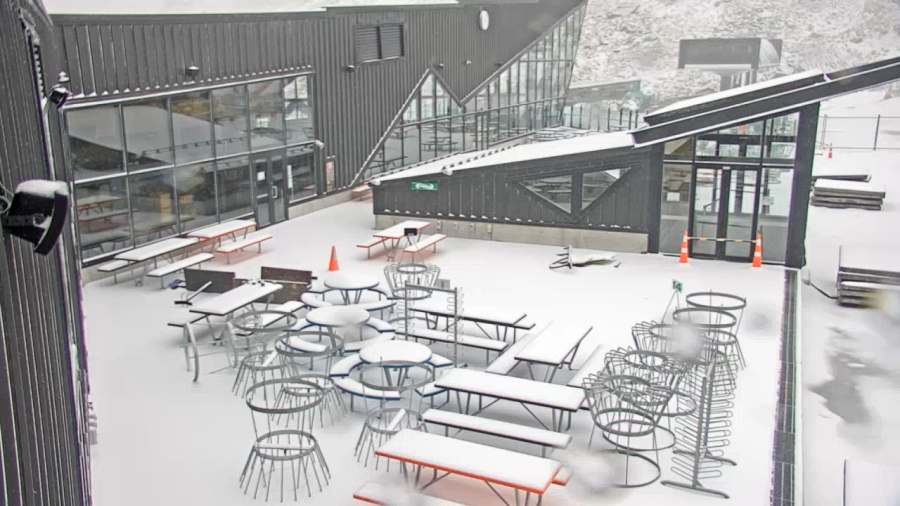
Snowfall has been reported across ski slopes in Australia, New Zealand and in the Chilean Andes over the past 36 hours - about two months before the 2020 ski season is due to start there. Currently there's considerable doubt, due to the pandemic lockdown, that ski areas will be able to open as planned. Resorts are generally closed to autumn visitors, but none the less are preparing for a ski season, they hope, at some point this winter, if at all possible. The heaviest snowfall was reported in New Zealand where there was a few centimetres build up on slopes in the third measurable autumn snowfall for many ski areas there. The Remarkables is pictured earlier today. Australian slopes got a light covering around 10 days after a heavier first snowfall there. Ski resorts in Chile also posted video of fresh snow falling on their slopes in the Andes. Wednesday also saw snowfall in Southern Africa at Afriski in Lesotho and Tiffindell in South Africa. The first ski areas to open in the southern hemisphere generally do so in the first half of June but many don't open until late June or July. 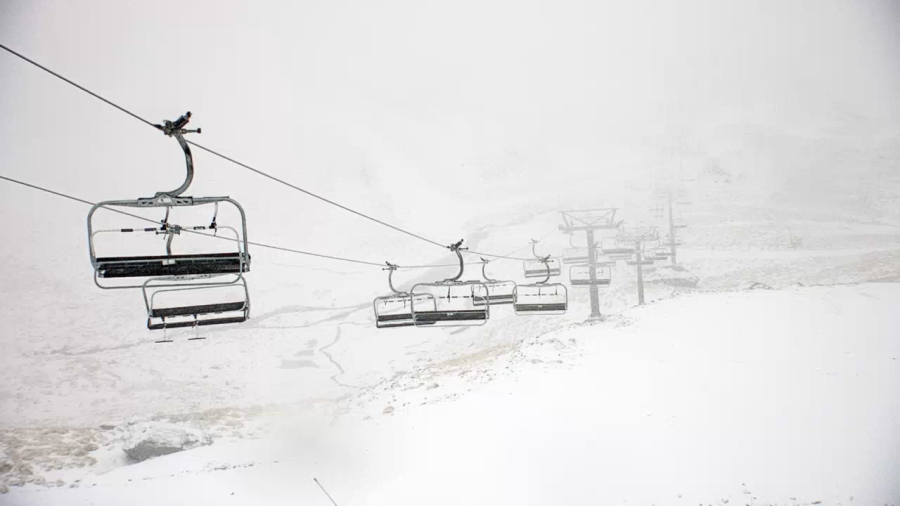 |
|
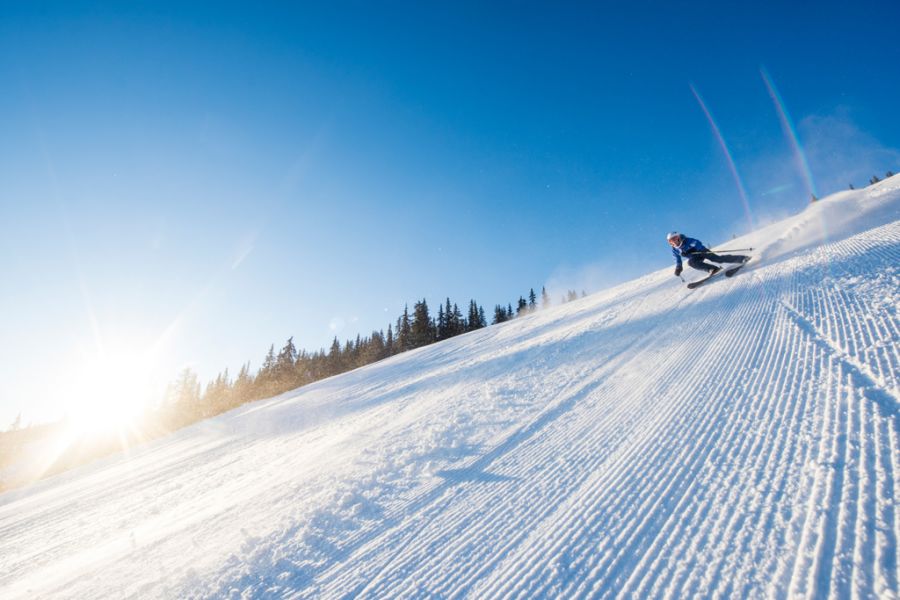
Norway is to become the third country to re-open ski lifts, under tight restrictions, following an easing of the lockdown there tomorrow, Tuesday 14th April. It is unclear how many ski centres will choose to re-open for the last few weeks of the season, but this does appear to mean that the country's three glacier ski areas an open for spring/summer snow sports if they wish. They are reporting snow lying up to 12 metres (40 feet) deep to start their season. Ål Ski Center says it will have a very limited re-opening from Tuesday whilst adhering to guidelines from the Norwegian Institute of Public Health. Among initiatives in place are that ski gear used must be owned, not rented; drag lifts (single use) only are being used; no indoor dining and outdoor dining has a maximum of four people who travelled together on tables at least four metres (13 feet) apart; gloves must be warn; toilets are available but no queuing outside. The centre is open for locally-based skiers. Current conditions are -2C with 50cm of snow lying. It is now light until late in the evening in Scandinavia and Ål will offer evening skiing on Tuesday April 14 and Thursday April 16 from 5.30pm to 8pm in addition to daytime skiing. Norway follows the Czech Republic where ski areas were allowed top re-open last week under strict limitations and China where ski centres re-opened last month after their pandemic lockdowns were eased. Some ski areas in Japan and Sweden have not closed at all as pandemic lockdown requirements have not required them to. |
|
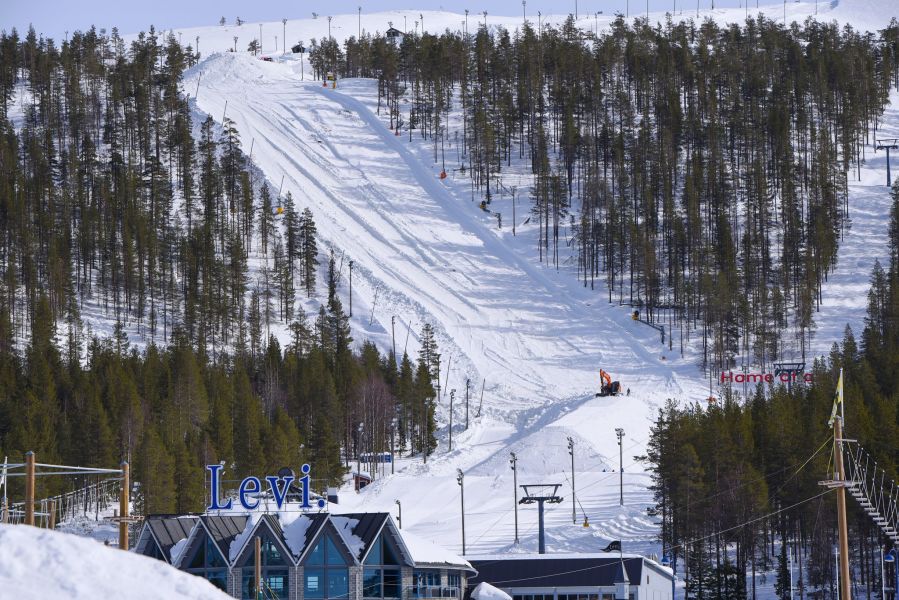
Several leading ski areas in Finland are stockpiling snow in the process known as "Snow farming" in order to have snow ready to spread back out on the slopes in late September as temperatures cool again. Two of Lapland's larger resorts, Levi and Yllas, are both busy piling up huge mounds of snow. Ruka says it will open on October 2nd, whilst Levi says it will have its earliest ever October opening. Both resorts would normally be open to early May, but both closed at the end of March as Finnish areas all closed down. Ruka has a reputation for the longest ski season of a non-glacier reason in Europe whilst Levi stages the first non-glacier World cup races of the season in November each autumn. The piles of snow being made at Levi will add up to around 150,000 m2 divided in to 10-30.000 m3 piles and will be covered with three layers of a new geofabric which should limit thawing through the summer heat, and also stop rain and wind damage.
He said the resort had lost around 25% of business due to the virus closure but was positive for a strong summer season if the pandemic-limiting restrictions allows it to happen and for winter 2020-21. |
|
First Ski Area in Europe Re-Opens After Lockdown Eased in Czech Republic
Started by User in Ski News |
|
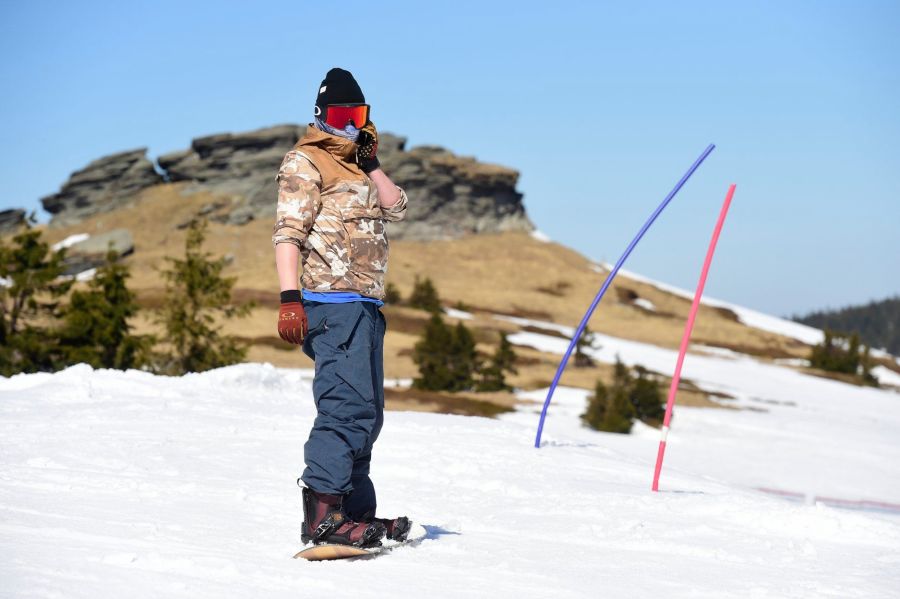
A Czech Republic ski area has re-opened for Easter after the country's government eased lockdown restrictions in the country earlier this week and instead encouraged more physical activity. The country's CT24 TV news has reported that the Praděd ski resort at Ovčárna in Jeseniky is so far the only one in the country that has re-opened its lifts. In order to be allowed on the slopes, skiers must have their nose and mouth covered, wear gloves and keep at least two metres apart. The centre is also severely limiting the number of people allowed on the slopes in total. Although some ski centres remain open in Iceland and Sweden, and some have re-opened after the lockdown there in China, this is believed to be the first ski area in Europe to re-open. The Czech republic has tested over 100,000 people for the virus, with over 5,000 people testing positive and 104 people have died there. The country's borders are closed for all but specified essential travel. J2Ski weather reports sunny, warm weather on Czech slopes at present, with the season likely to have already ended at many due to the normal end-of-season conditions, even without the lockdown. Some more snowfall is possible on Easter-Monday however. (Picture credit CT24 news) |
|
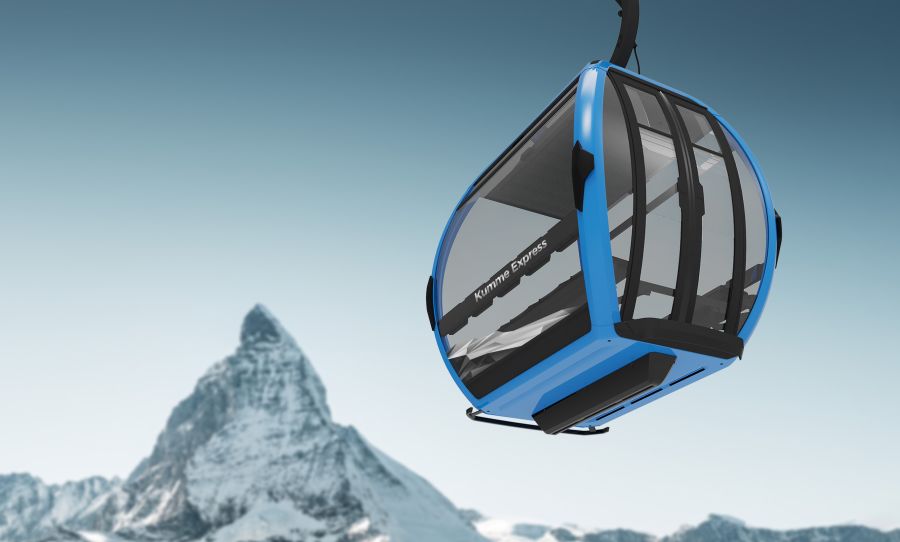
Despite the current near-global lockdown due to the coronavirus pandemic, and the heavy toll this is causing travel and leisure businesses worldwide, Zermatt's lift company (Zermatt Bergbahnen AG (ZBAG) say they are focussed on the time "when this is all over". Despite the difficult starting position, the Board of Directors has therefore decided to make the major investments of around 60 million Swiss francs over the next two years as planned. Additional financing provided by Swiss banks has helped this decision.
The Matterhorn glacier ride II gondola link between Testa Grigia and the Klein Matterhorn, is a multi-year construction project, whilst the new Kumme gondola lift will go into operation at the beginning of the 2020/21 winter season. The new lift will have 56 ten-seater cabins carrying 1500 passengers an hour along the 3.2-kilometre route from Tufternkehr to the Unterrothorn via an intermediary station at Wyss Gufer. "With our investments and the resumption of construction work we mean to underscore our leading role in and around the Zermatt-Matterhorn resort and demonstrate that we can meet even this challenge head on together. We want to indicate to our service partners and visitors and to the local economy that we believe in the future and despite the difficult conditions remain willing to invest in modern facilities and services," the company statement concludes. Zermatt's approach, which is the same as that announced by Cortina and other resorts in Europe, to crack on with projects, is very different to those of the big multi-resort operating companies in North America who have cancelled most of the continent's previously announced 2020 summer lift construction projects. |
|
Could Norway and Austria Be The First European Countries Where Skiing Resumes?
Started by User in Ski News, 2 Replies |
|
Well I guess a lot of Austrians already there and presume borders will be re-opened eventually. Pic was from their feed so they could have been naughty and posted an L2A one, but may just be that top of one glacier under snow looks a lot like quite a lot of others? https://www.facebook.com/Hintertux.Glacier/ |
|
Could Norway and Austria Be The First European Countries Where Skiing Resumes?
Started by User in Ski News, 2 Replies |
|
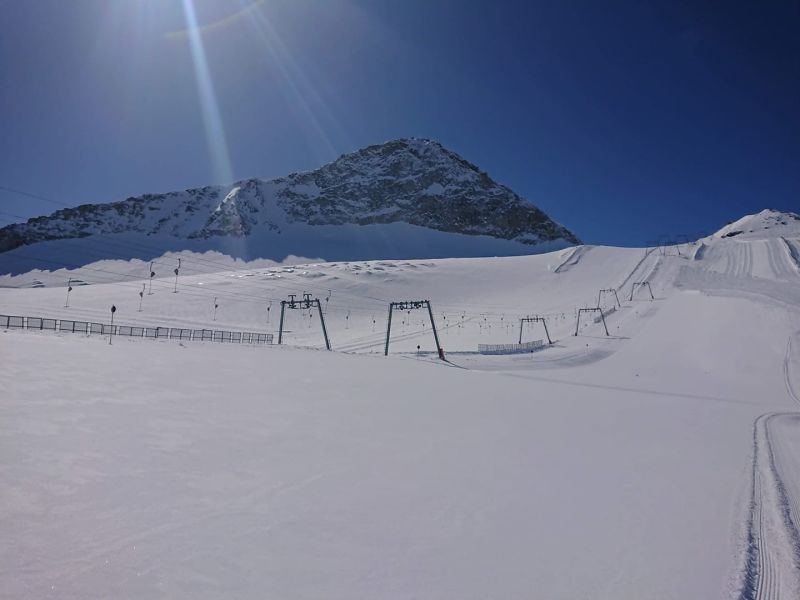
Austria and Norway have announced careful relaxation of lockdown rules over coming weeks and months. The two countries are among a number who believe that as they approach a month of strict restriction of movement, they may have limited to spread of coronavirus. Initial moves will see more shops opening, with strict restrictions in the next few weeks. Norway will allow its citizens to travel to their holiday cottages and Austria is considering re-opening restaurants in May and allowing sporting events to resume in June. It's unclear when the re-opening of ski centres fits in to these tentative plans. Austrian glaciers including Hintertux (pictured above on Monday), Kauntertal and Molltal are usually open in late spring and into summer; Norway has three glacier areas, one of which, Fonna, recently reported the snow lying nearly 11 metres deep. The governments of both countries stress the easing of their lockdowns will be carefully tracked and if the virus appears to be growing again they'll be halted and possibly reversed. In Asia, China, where the pandemic began, re-opened ski slopes in late March after two months in lockdown, but it requires skiers to wear surgical masks, social distance and have government health certification. The country can also electronically track every individual so it can advise anyone if someone later found to be infected by the virus has been near them. Japan has seen a resurgence of cases after it eased is lockdown. However it is one of the few countries in the world where skiing has not been stopped due to the pandemic. Several centres are also still operating in northern Sweden and in Iceland. |
|
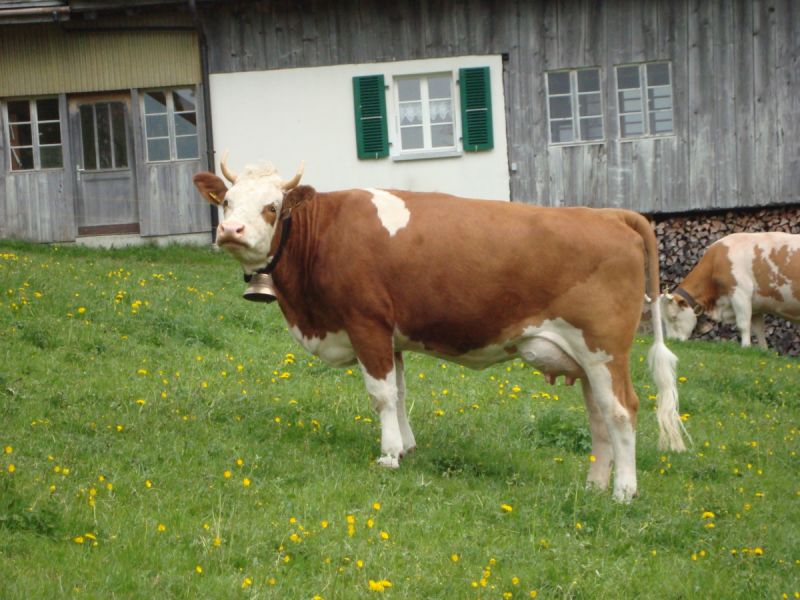
Swiss ski resort Lenk are offering anyone the chance to rent one of their local cows. The resort says that hundreds of cows move to higher ground in Simmental during the Spring to graze the rich pastures. Describing the rental offer as an "extraordinary opportunity" anyone can choose a cow from an online picture gallery, meet them when next permitted to travel to the Alps and then enjoy their share of the cheese produced from the cow's milk after the summer.
The details of the rental agreement are discussed on an individual cow by cow basis, but visits cost CHF 400 for a full day and overnight stay, or CHF 300 for a half-day visit with breakfast, lunch and dinner and the opportunity to help out with the regular duties on the Alps (voluntary). This includes a certificate with photo of the cow that has been rented, a morning visit to see the cow in the meadow or stall, a snack of alpine products and fresh milk and 5kg of best alpine cheese in the autumn (collection on site). http://www.lenk-simmental.ch/en/experiences-tours/cow-rental-gallery/ |
|