

Messages posted by : J2SkiNews
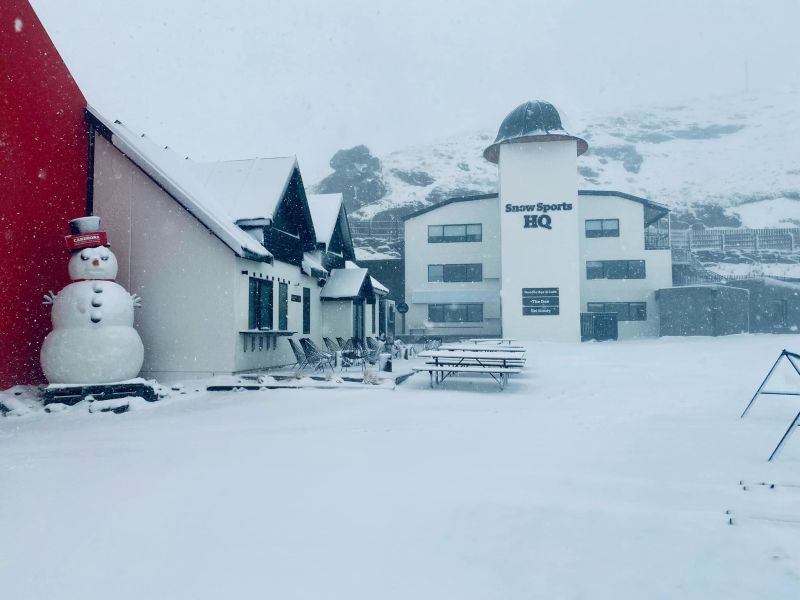
Ski areas in New Zealand have seen a decent snowfall down to resort base levels overnight. It's early autumn in the southern hemisphere and nearly three months until the first ski areas are due to open for their 2024 ski seasons, but pictures of the snowfall have received tens of thousands of likes on social media, as skiers and boarders get some early excitement for the winter ahead. Snowfalls have also been reported on higher slopes in Australia and the Andes of South America over the past few weeks, although at this point in the year it quickly melts again. Depending on conditions, Coronet Peak and Mt Hutt are expected to kick off New Zealkand';s 2024 ski season on June 14th, followed by Cardrona (pictured today above) and The Remarkables opening the next day. The New Zealand government has agreed to fund the financially-troubled Mt Ruapehu ski areas of Turoa and Whakapapa for "one final time" so they will be open this winter. In the wider ski world Lesotho's Afriski says its full ski area will reopen this winter after staying closed in 2023 due to operational difficulties. |
|
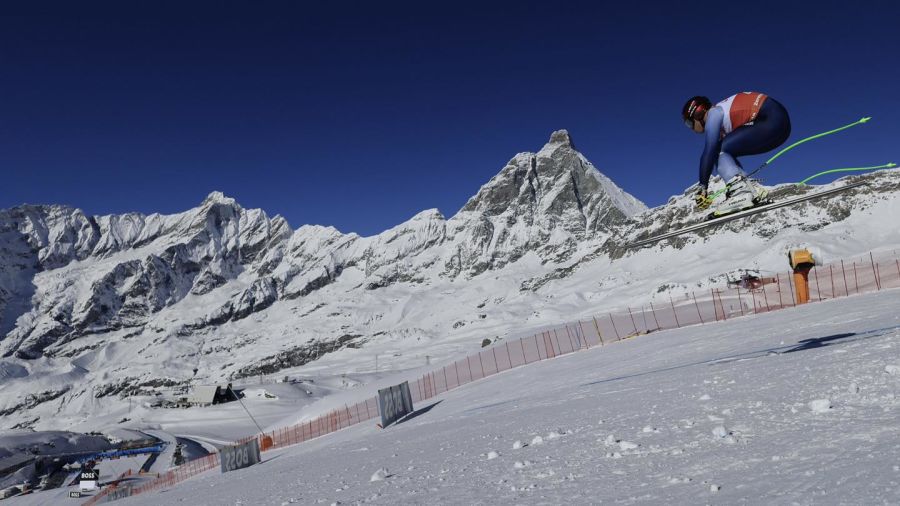
Plans to launch the Alpine Skiing World Cup speed events with a series of high-altitude cross-border races in early November won't be attempted for a third time at the start of the 24-25 World Cup season, the International Ski & Snowboard Federation (FIS) have announced. The new racecourse, which would have made history for its altitude, length and being the first World Cup racecourse to cross an international border, was due to launch the 22-23 season but races were cancelled due to too little snow on the lower half of the course. The racecourse was then set to host two 23-24 season opening downhills each for the women and the men, known as the Matterhorn Cervino Speed Opening, on successive weekends last November, but were cancelled due to too much snow, among other issues, last autumn. Somewhat ironically, midweek training runs were staged successfully but the bad weather arrived on race day weekends. In an online statement, the FIS said:
Prior to the attempt to launch the speed racing season in Zermatt/Cervinia, Lake Louise was the traditional starting location for the tour each autumn, however it pulled out of hosting a stage last autumn due to funding issues, although Canada's ski racing governing body say they are committed to hosting an Alpine Ski Racing World Cup stage in the country. David Taugwalder, Head of PR/Communications Zermatt Tourism issued his own statement saying,
|
|
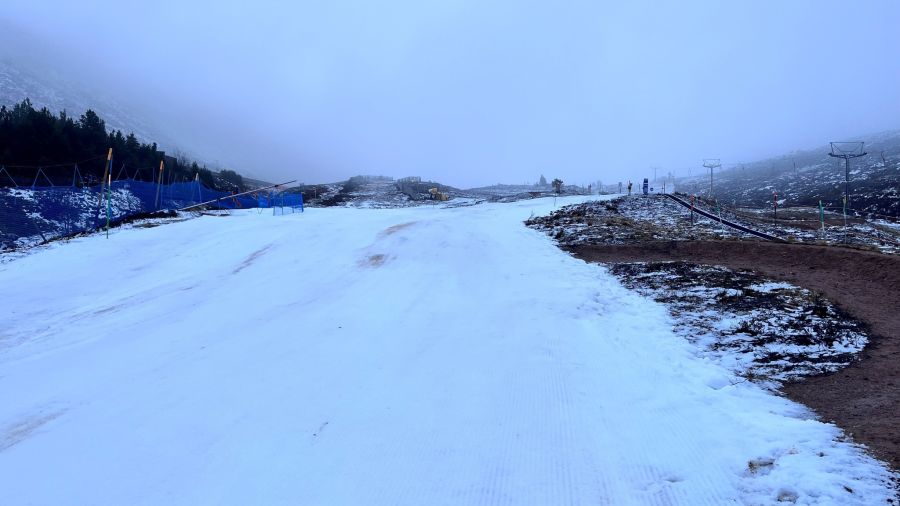
Quite what ski terrain will be open in Scotland over the coming Easter weekend and school holidays remains uncertain. Four of the five centres have functioning all-weather snowmaking systems and these have successfully been used to create nursery slope areas and short runs as mother nature has failed to oblige for much of the season, again. It seems certain these limited snow areas will be open for the coming fortnight. However two centres, Cairngorm and Glencoe have managed to open more runs with natural snowfall at times this season, as, briefly have Glenshee, Nevis Range and the Lecht. But last week the snow at Glencoe and Cairngorm, the only two areas still offering slopes beyond the all-weather snow areas, had thawed to an extent that they couldn't open. A return of gale force winds on Thursday and Friday closed lift anyway. But now things have turned colder and there's more snow forecast in the week up to Easter, with forecasting models predicting up to 20cm of snowfall in the next 24 hours with more to follow, potentially. So could we see more terrain open? Both Cairngorm and Glencoe already re-opened runs on Sunday, but both say they're only suited to experts, in Glencoe's case mostly due to the conditions, in Cairngorm's in large part because a 30 minute hike with ski gear is needed up to and back down from the runs and lifts as the funicular, the only access to the upper mountain from the base, remains out of action. At Glencoe the Access Chair, Plateau Poma, Cliffy and Rannoch Button have been running serving upper mountain runs complete. "It's possible to ski down mid and lower mountain runs, but will be unpisted as snow cover is unconsolidated," a spokesperson posted on social media. At Cairngorm (pictured top on Sunday morning) the M1 Poma as well as The Ciste and Ptarmigan lifts have been running on the upper mountain, with The Ptarmigan bowl upper M2 and Fairway runs.
|
|
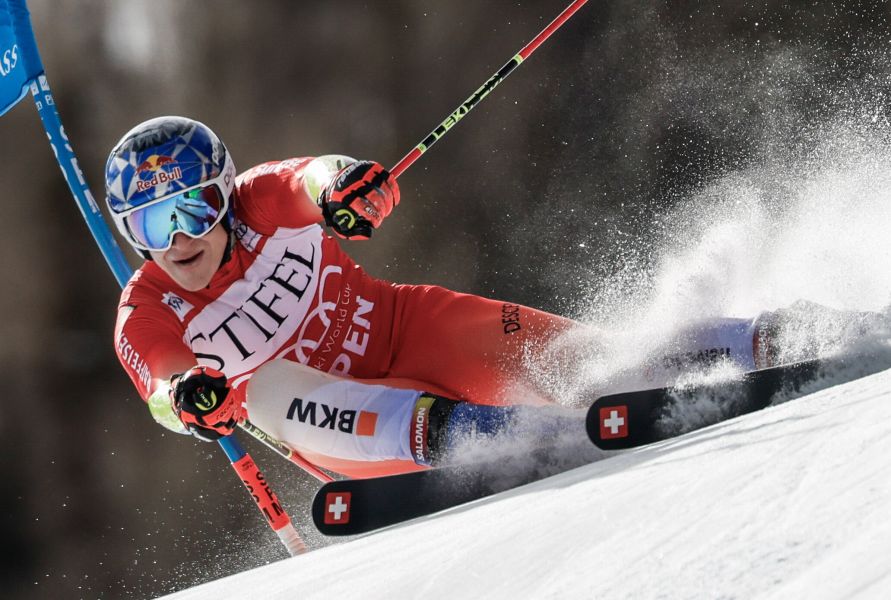
The final Men's World Cup downhill ski race of the 23-24 season had to be cancelled on Sunday, denying Switzerland's current ski racing superstar Marco Odermatt the chance of beating his own record for the most World Cup points scored in the men's competition, which he set himself last year, although the 26-year-old did still easily win his third straight overall title. Previous races last weekend and this at the World Cup Finals saw very warm temperatures and sometimes wet snow but today more precipitation – snow up high, rain in the valley, gusty winds and low visibility led to the decision to cancel the race after several delays in the hope of an improvement. Odermatt finished the season with 1,947 points, almost twice the total of second placed fellow Swiss racer Loïc Meillard, and more than double the total of Austria slalom specialist Manuel Feller who placed third with 952 points. Last season Odermatt set a new men's record of 2,042 points (Mikaela Shffrin holds the absolute record for most points in a season scoring 2,206 points in 22-23), which he could just have beaten if today's race had taken place and he'd to take the final 100 points. Among his many achievements this season Odermatt scored nine straight victories in the giant slalom and was aiming for a clean sweep of all 10 23-24 GS races but he skied out in the final race at the current World Cup Finals being held at Austria's Saalbach Hintetrglemm, which will host next year's bi-annual World Championships in February. 23-24 will unfortunately be remembered as another seasons of many race cancellations, for multiple reasons including temperature too warm, conditions too windy or heavy snowfall making the slopes unsafe. The attempt to start the speed racing season early with four races on a new course, the world's highest, from Zermatt to Cervinia on the Swiss/Italian border were all cancelled again, as last season, due to conditions, although this time there was plenty of snow. In the meantime the traditional start venue of the speed racing season, Lake Louise, had lost funding and could not step up as replacement as it had in 2022. Then the next stage, at Beaver Creek, was again cancelled due to conditions. The first downhill race finally took place back in Europe on 14 December 2023 at Italy's Val Gardena. Image top: Marco Odermatt during the FIS Alpine Skiing World Cup at Aspen, Colorado, United States on March 02, 2024. Credit: Red Bull |
|
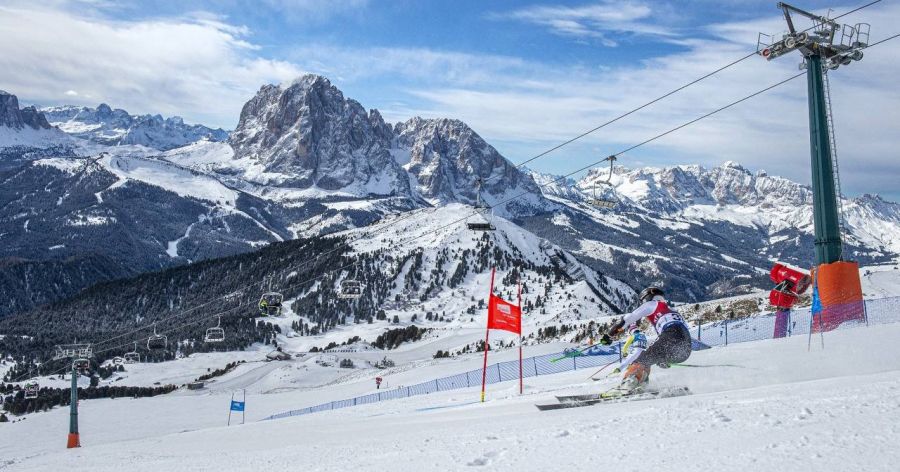
The 26th edition of the Südtirol Gardenissima race, famous for being the longest giant slalom in the world, will take place tomorrow in Val Gardena in the Italian Dolomites. "The Gardenissima" in a nail-biting 6 km slalom (3.75 mile) long course descending from Monte Seceda and ending at the Col Raiser Valley Station. The racecourse descends a thigh-burning 1,033 vertical metres with racers having to negotiate 115 slalom gates en-route to the bottom. Race organisers say that the maximum number of 700 participants has been reached, attracting both World Cup athletes and amateurs of all ages, the latter gaining the unique opportunity to compete with the best in the world. There's even a category for "ski legends", where former World Cup athletes and ski icons compete every year. The epic slalom race takes place against the breath-taking backdrop of the snow-capped majestic Dolomite peaks. On Sunday it'll be time for grown-ups to give up the limelight as kids take to the slalom stage on 24th March, with a 2km "Gardenissima Kids" course weaving from Monte Seceda to the Fermeda Valley Station. 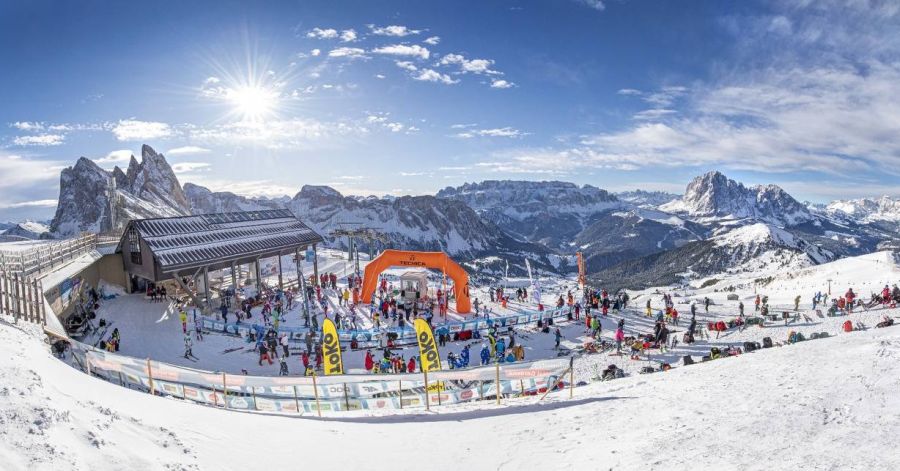 |
|
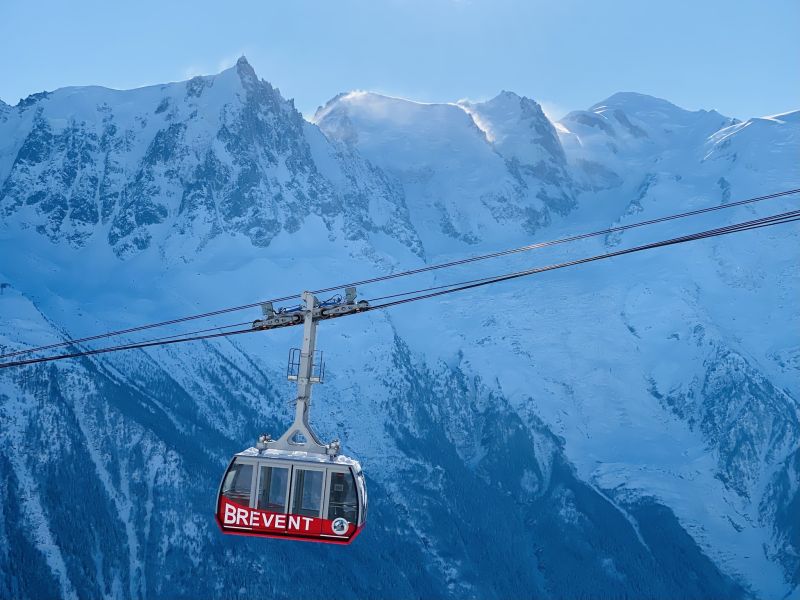
The Compagnie du Mont-Blanc which runs the lifts in the Chamonix Valley has announced that the Brevent ski area will remain open for a further week after its previously planned April 14th closure, now operating to 21 April 2024. The lift company say that the Planpraz gondola, Parsa chairlift and TK 2000 and Funi 2000 drag lifts will be operational serving the Combe des Vioz, Stade Géant, Blanchots, Retour Planpraz, Verte 2000 and Espace Débutant Funi 2000 pistes. The snow depth at the higher end of the sector is currently up at nearly 3 metres/10 feet. The Grands Montets ski area above Argentière in the Chamonix Valley is among several French areas aiming the stay open to the start of May. Earlier in the winter is posted the deepest snow in the world, the first to go above 4 metres on higher slopes this winter, and remaining in the world top 10 for snow depth at 4.2m (14 feet). |
|
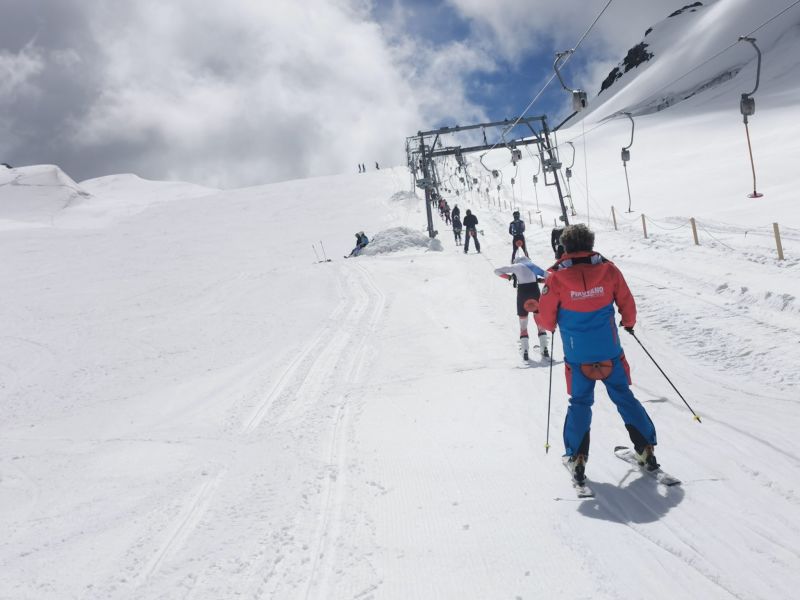
Although most ski areas in the northern hemisphere will be ending their season in or before April, for half a dozen ski centres in Asia, Europe and North America their seasons are just about to begin. Different to the summer glacier openings of up to a dozen or so ski centres in the Alps, which have already enjoyed a regular winter season, these areas are only open from mid-late spring into summer. That's the case for Bjorkliden and Riksgransen ski areas in the Swedish Arctic, which opened for a three-month season to mid-May in late February. Riksgransen then plans to reopen for three days over midsummer in late June this year, with skiing and boarding under the midnight sun. On April 12th they'll be joined by Japan's only summer ski area, Gassan, which usually opens when a road can be cut through the snow – normally 5-10 metres deep, and the lift dug out. The snow tends to melt quite fast but there's so much of it, upper runs normally manages to stay open into July. Norway has three summer-only glacier areas with the first, Galdhopiggen, planning to open in May 8th this year. Fonna will follow a fortnight later on the 23rd with Stryn last to join them on June 1st. That's the same day that Italy's summer only resort, Passo Stelvio, will open for 2024 (pictured above in June last yuear_ The other summer-only area is in North America where Beartooth Basin on the Montana/Wyoming border usually opens late May. It hasn't named a day yet, the date usually tied to the local highway re-opening for summer. Unfortunately, it has only managed to open for 2-3 weeks for the past few years. |
|
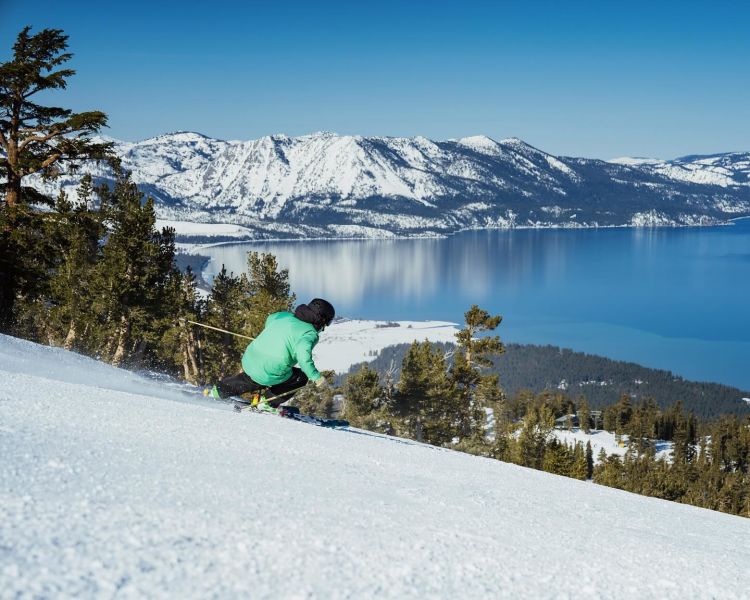
According to industry stats from the North American National Ski Areas Association (NSAA), more than half of Americans now buy one of the multi-resort season passes now, rather than a pass for a particular resort by the day or week. Most of America's big resorts are now owned by one of half-a-dozen multi-resort groups, dominated by vail, who have more than 40, and the Alterra Group with more than a dozen. Their Epic and Ikon season passes dominate the market and the 24-25 passes have just gone on sale at what will be the lowest price for those prepared to commit six months before the season starts. Quite how many passes are sold and how much money is raised is shrouded in secrecy, but some years ago a Vail executive did let slip that back then they' were selling over a million Epic passes to buyers in more than 100 countries. The practice means a much more stable business model for the companies involved, having plenty of money in the bank ahead of the season and not so subject to the whims of nature when the snow does or does not arrive at any individual area or region, as the passes have been sold anyway. Prices for day and week passes at resorts on the passes have gone up dramatically in recent years too, to make purchasing the season pass more of a no brainer. Some resorts have also restricted access to pass holders only at peak times. Both Epic and Ikon passes also include lots of other ski regions around the world that are not owned by the groups concerned, but offer limited access to pass holders. Epic Pass, for example, includes varying amounts of access at Andermatt-Sedrun-Disentis (Switzerland), Verbier 4 Vallées (Switzerland), Les 3 Vallées (France), Ski Dolomiti (Italy), Ski Arlberg (Austria) – and newest addition Crans-Montana Mountain Resort (Switzerland), subject to the close of Vail Resorts' acquisition. Both companies are pushing to increase their pass sales outside North America. The full adult 24-25 season Epic Pass is priced at $982 USD if purchased in the next few months, the full Ikon Pass has gone on sale at $1,249 USD. Both passes have many variants. |
|