

Messages posted by : J2SkiNews
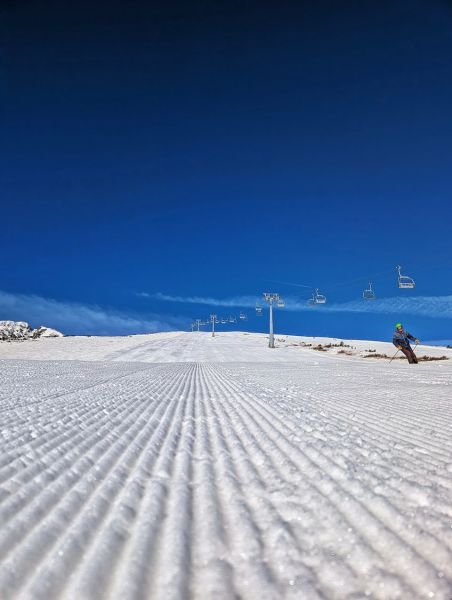
Bansko has stressed that it intends to stay open to its planned closing date on April 14th, a week on Sunday, after most other Bulgarian ski resorts closed for the season earlier than planned on Wednesday. Temperatures across the country have suddenly risen into the 20s Celsius after snowfall just a few days ago, with warm weather from the Sahara said to be the culprit. The warm sunny weather is now not expected to move on anytime soon. As a result, Borovets announced on Easter Monday April 1st that it would close on Wednesday April 3rd and Pamporovo decided to do the same. Vitosha has already closed. Bansko though, which had already reduced lift pass prices for the final fortnight of the season, is stressing it will stay open. Currently about two thirds of its terrain is open with upper base depths at around a metre. Most ski areas in other eastern European ski nations have also closed, including all Czech and Romanian resorts. However Slovakia's Jasna remains open and reported 20cm of snowfall on Tuesday. |
|
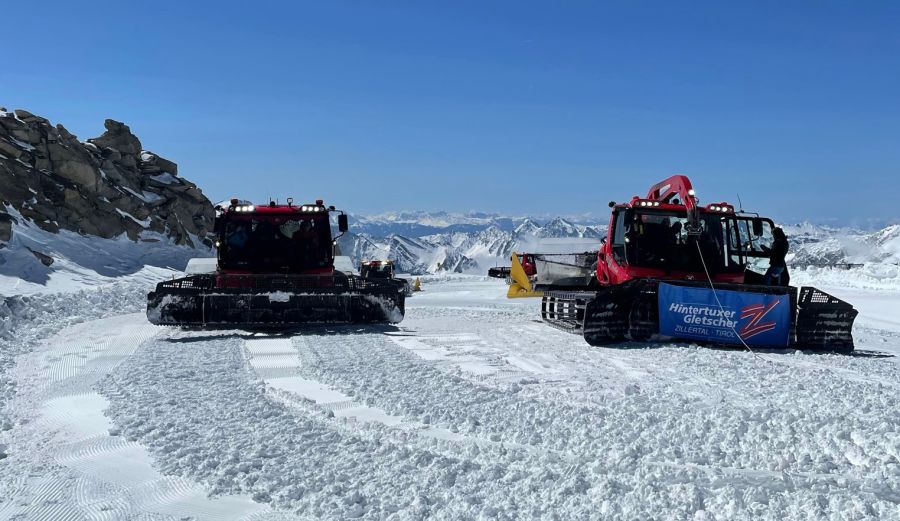
Austria's Hintertux glacier ski area are again giving anyone who wants to give it a try, the chance to drive a snow grooming tractor or piste basher. The glacier ski centre in the Austrian Tirol, which is one of only two still open for skiing and snowboarding year round, has its own dedicated PistenBully Test Area where the 600 horsepower machines can be tried out. The activity is offered free of charge, with no reservation required, but you do need to have a driving licence and a pair of sensible shoes or boots for driving ("no ski boots allowed"). You also need a lift pass to get up to the test centre. Anyone wanting to test drive a PistenBully can do so on the 11th, 18th and 25th April or the 2nd May 2024 when the test area is operational between 11am and 1pm. |
|
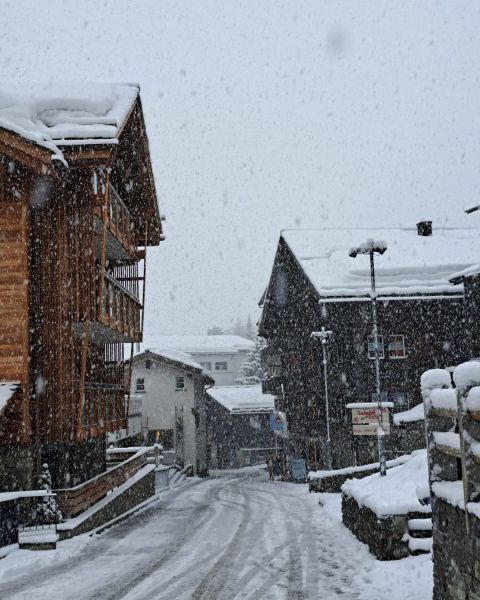
The deepest snow depth reported in the world this week has hit 5.5 metres (nearly 18 feet), the greatest depth reported this season. Saas Fee has reached the 5.5 metre level on its glacier with fellow Swiss area Laax reaching 5.2 metres on theirs. Alpe d'Huez briefly hit a 5 metre depth last week and earlier in the winter but no resort had previously gone above that level. On average, snow depths typically peak at between 6 and 9 metres somewhere in the northern hemisphere in early March before the spring thaw starts to diminish levels, but the past few winters have seen depths continue to rise, often after many ski areas have already ended their seasons. The latest boost in snow depths comes after a week of often heavy snowfall, particularly in the southern and western Alps. There have also been gale-force winds, with the result that many ski areas have seen large parts of their terrain closed for safety reasons through the Easter period. The heavy snow/strong wind combination has set avalanche danger at very high levels. Pic credit: Saas Fee/Facebook/stornimattia |
|
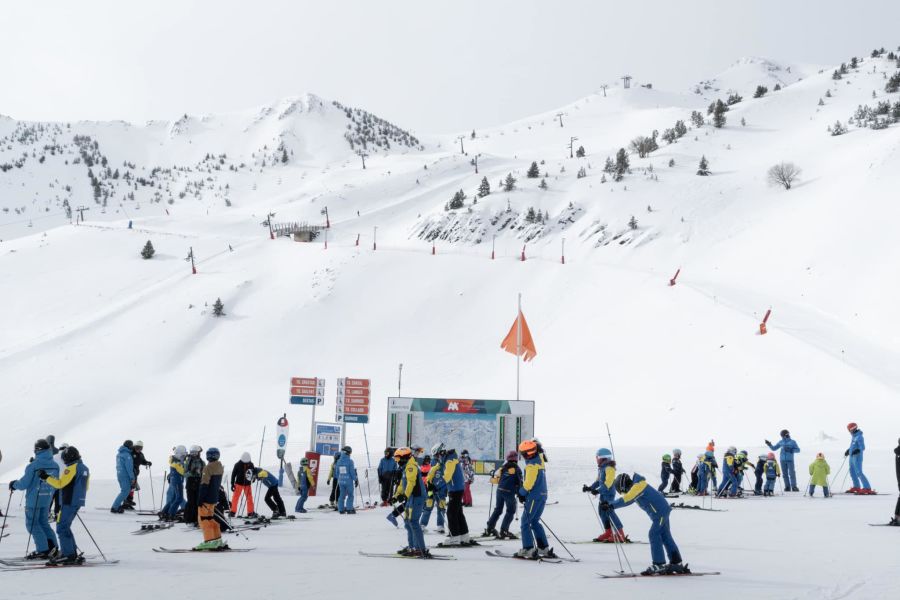
The Pyrenees have finally seen the bumper holiday period that was missed earlier in the season when lack of snow led to limited business in early December, when the region usually sees strong visitor numbers due to a string of linked bank holiday, as well as Christmas and New Year. Things finally came good for Easter though after long awaited snowfalls in March quadrupled base depths at some areas and allowed the region's biggest area, Grandvalira (Soldeu, Pas de la Casa etc), to (almost) fully open its slopes for the first time, topping 200km of slopes open at one point, it's now back to about 150km. Catalan ski resorts reported hotel occupancy at nearly 100% and early estimates of lift ticket sales for resorts on the Spanish side of the border topped 100,000 passes. Last year the figure for the same week was 60,000. There was even a helpful refresh of snow cover with many areas posting 10-15cm accumulations daily through the Easter weekend, with sunny spells between times.
Most ski areas in the region will close at the end of the coming weekend, but a handful plan to continue for one or two more weeks, including Boí Taüll which has extended its season by a week through to April 14. |
|
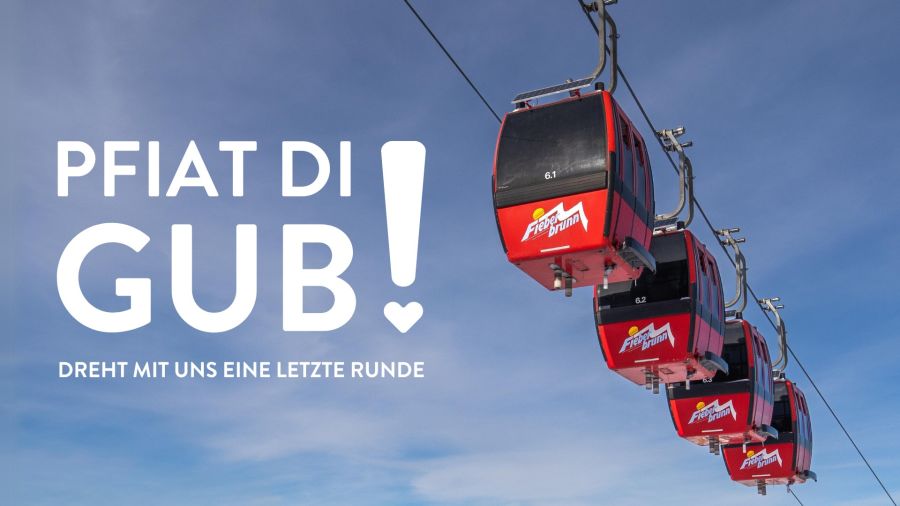
The giant Saalbach Hinterglemm ski area, Austria's second biggest, has announced one of its two iconic red pulse gondola lifts will be retired and replaced over the summer. Pulse gondolas were briefly popular in the late 1980s and early 1990s before funitel style lifts gained in popularity. They featured groups of cabins on a fixed cable that entered the station together allowing larger groups to boards and disembark at once. However with usually art least four clusters of cabins on the cable, it meant skiers stop for periods midway of the ascent/descent while cabins in other clusters load up and unload./ The current Lärchfilzkogel lift at Fieberbrunn was installed in 1991 and climbs at 6 metres per second to make its mile-long ascent in 4:40 minutes with a capacity of 800 people per hour. The new lift, due to begin operating next winter, will be a regular gondola with 10 passenger cabins. Also built by Doppelmayr it will travel at the same speed but more than triple the uplift on the route to 2,500 skiers per hour. |
|
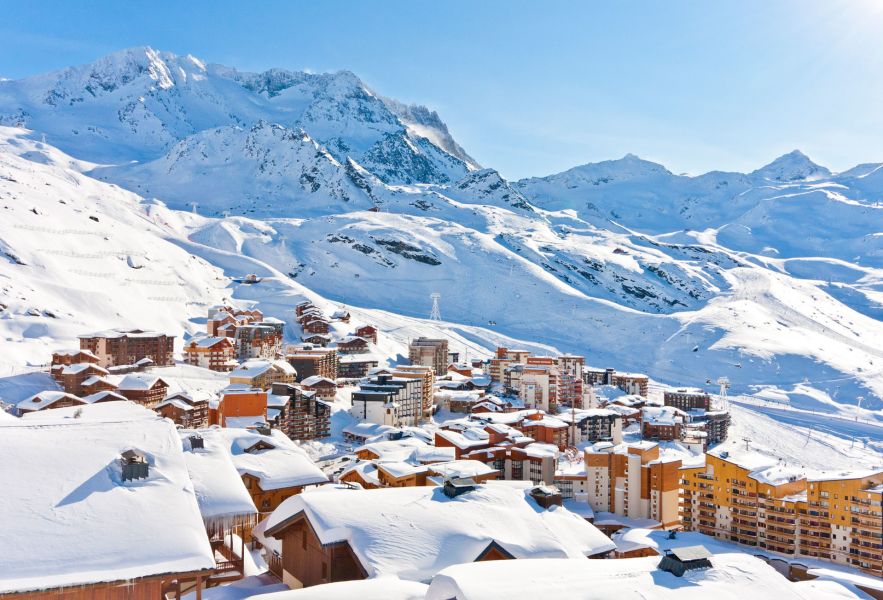
Two thirds of skiers are now booking for next season, according to the long-established chalet package holiday company to France, Ski Beat.
Christmas and New Year ski holidays are among the most popular departures and Laura says there's a strong level of interest, partly as this year Christmas Day falls on a Wednesday, enabling skiers to enjoy time in resort before and after the big day, and likewise for those arriving for New Year festivities the following week. Ski Beat reports a "strong season" this year, with the Alps having had early, sustained and recent snowfall, and, while high season bookings remain at a consistent level, the company says skiers should not overlook the earlier and later departures when the weather is often kinder, ski prices are better value, and slopes are less crowded. "Unlike our European counterparts who ski from November through to May, many British skiers are under the misconception that they need to ski between mid-December and late February. They are missing a trick, because the spring months have a base of snow that fell during the winter, days are sunnier, slopes and lifts quieter, and prices keener. The same applies to the first departures of the season. All of the resorts we feature have the infrastructure to take skiers up to higher altitude slopes, which remain at lower temperatures and retain the snow." |
|
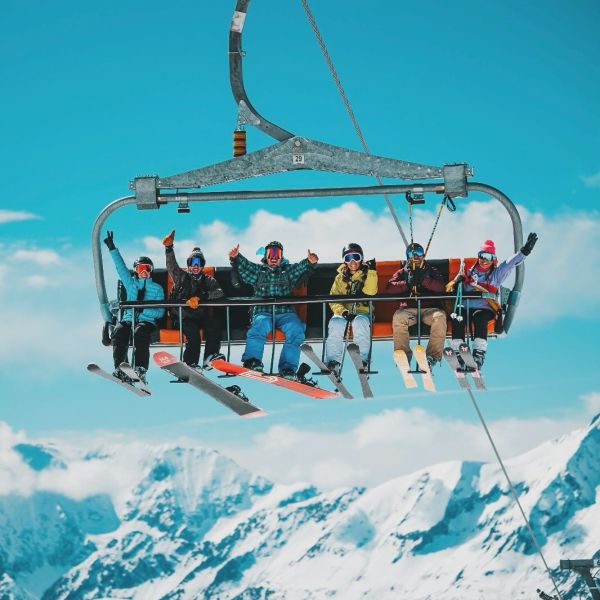
French ski resort Alpe d'Huez is again reporting it has 5 metres of snow lying on its upper slopes, the only centre in the world to reach the 5 metres point this season. It had also briefly reported a 5-metre base in January, before temperatures warmed and snowfalls diminished for two months until mid-March, although it has consistently been in the dozen or so ski areas in the Alps, Western USA and Japan posting 4m+ bases all season. Alpe d'Huez is one of a number of ski areas in the Southwestern Alps to post big snowfalls from an intense storm over the past three days. The storm has closed slopes (most centres in the region currently only have a third or less of their slopes open with some completely closed) and pushed the avalanche danger level up to high. Risoul-Vars and Serre Chevalier have both reported over 2 metres of snowfall in the past 72 hours, Alpe d'Huez say they've had 88cm (three feet). There's a chance other ski areas will post 5m+ bases over the coming week, once they're able to make measurements. Candidates include Mammoth and The Palisades in California which currently have 4m+ bases but are in the middle of a multi-day snowstorm expected to continue through easter and into the start of April. |
|

Very heavy snowfall in the Southwestern Alps over the past few days has given a big boost to snow depths in the region ...but also led to ski areas having to close sizable sectors of their terrain and to avalanche danger hitting high levels in the region just ahead of the Easter weekend. Alpe d'Huez reported it had received 76cm of fresh snow this morning, but also noted that only a third of its ski area was currently open. It's upper base is now at 4.9m, back to being the deepest reported anywhere in the world. Vars and Risoul, which posted a 60cm accumulation yesterday have reported another 60cm this morning for a 1.2m (4 feet) 48 hour total. They, along with most other ski areas in the region getting the heaviest snowfall - which extends into western Italy and southwestern Switzerland, have noted the avalanche danger has jumped from a 'moderate' level 2 on the scale of 5, to a 'high' level 4. Italy's Pila in the Aosta Valley reported nearly half-a-metre of snowfall in the past 24 hours and the Glacier 3000 ski area near Gstaad has been closed for the last few days due to 'potentially dangerous' condition caused by the snowfall there. Although heaviest in the southewest, snow is currently falling over much of the Western and southern Alps. |
|