

Messages posted by : J2SkiNews
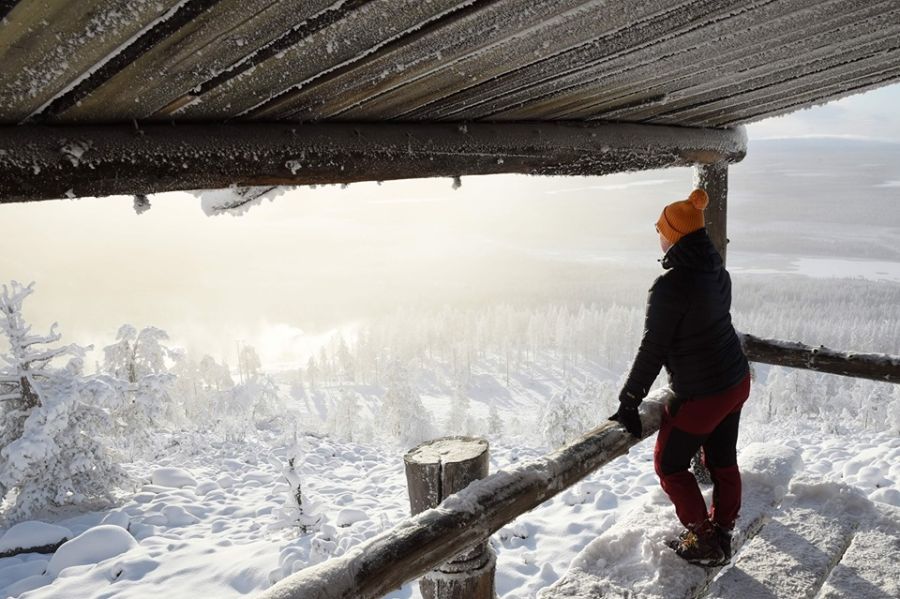
There's been heavy snowfall this weekend in northern Scandinavia where four resorts are already open across Finland, Norway and Sweden. Three of the four areas have used snow farming techniques to be able to open – saving snow 'farmed' last spring – piling it in to huge covered mounds that survive through summer to be spread back out on the slopes when it gets cooler in the Autumn. All four report heavy snowfall this weekend however turning their slopes in to "winter wonderlands" and outing a layer of fresh powder on to slopes that were initially white ribbons down an otherwise snowless autumnal slope. The latest ski area to open is Idre Fjall in Sweden, the first in that country to open for the 19-20 season. which ran its lifts free of charge on opening day on Friday. Prior to Idre Fjall, Finland's Ruka and Levi ski areas opened earlier this month and Norway's Galdhopiggen glacier ski area, located on Scandinavia and Northern Europe's highest slopes, has been open since last spring but ends its season in a fortnight's time. |
|
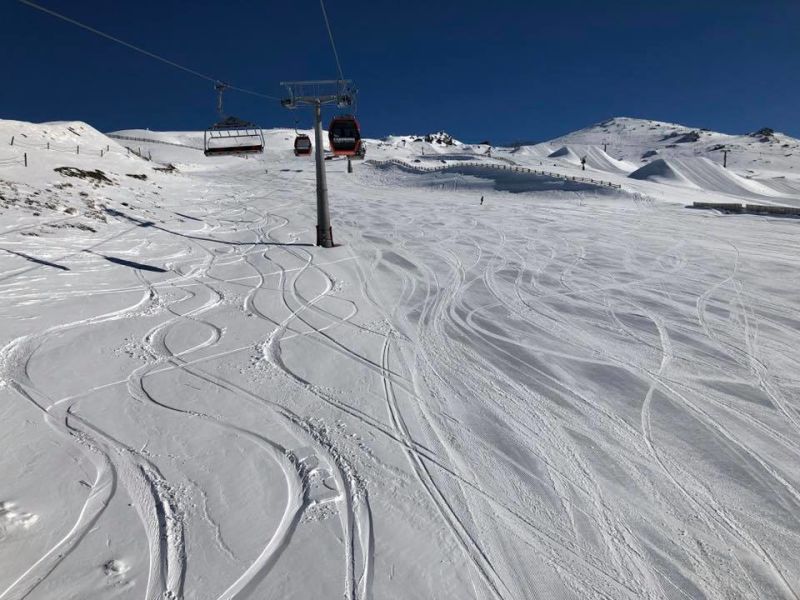
Although the last ski areas still open for winter 2019 in the southern hemisphere closed a week ago in South America and Australia, two areas are still operating in New Zealand. Cardrona on the South Island has a base of 25-110cm and is still almost fully open with 38 or 40km skiable and all lifts operating. This is the last weekend of the 2019 season here but skiers and boarders have enjoyed great conditions today, even though it is now the latter half of spring south of the equator, after fresh snowfall overnight were followed by blue skies. The other still-open area is Mt Ruapehu on New Zealand's North Island. Here there are two un-linked areas on the mountain, Turoa and Whakapapa. It is reported to be the end of the final full week at Turoa too, although it will re-open next weekend. Whakapapa will stay open this coming week and then re-open one lift at weekends through November (the final month of meteorological spring) if the weather is good. Both areas have around 2.8 metres (over nine feet) of snow lying on upper slopes. |
|
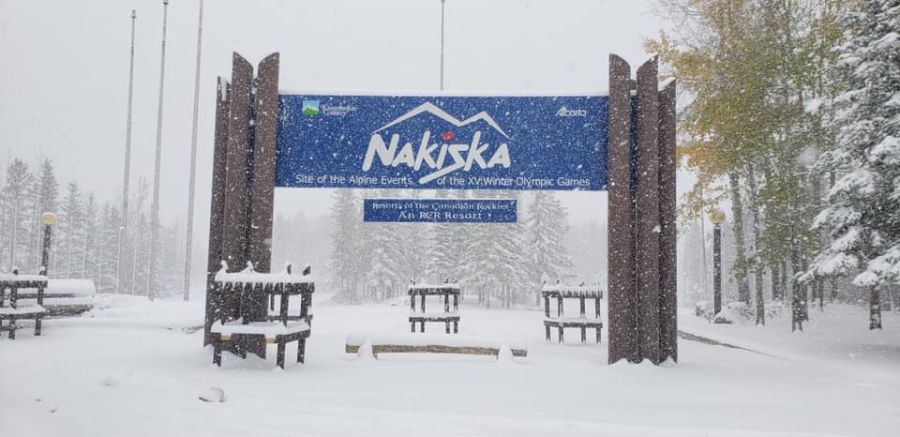
Canada's ski season looks set to get underway a week on Saturday as Nakiska in Alberta, the closest ski area to Calgary just 45 minutes away, has announced its earliest ever opening.
Nakiska has a tradition of being one of the first resorts to open in Canada each season, usually alongside areas like Mt Norquay and Sunshine a little further west around Banff, but that's usually in the first week or two of November, and this will be Nakiska's earliest ever opening. The resort has had several good natural snowfalls already (the picture top was taken earlier this month) and is also snowmaking to the max whenever possible. Nakiska will open Saturday the 26th and Sunday 27th October from 10am for a 'preview weekend' before closing again midweek. It is likely to be the first to open in Canada although areas in Quebec sometimes open in October using snowmaking. |
|
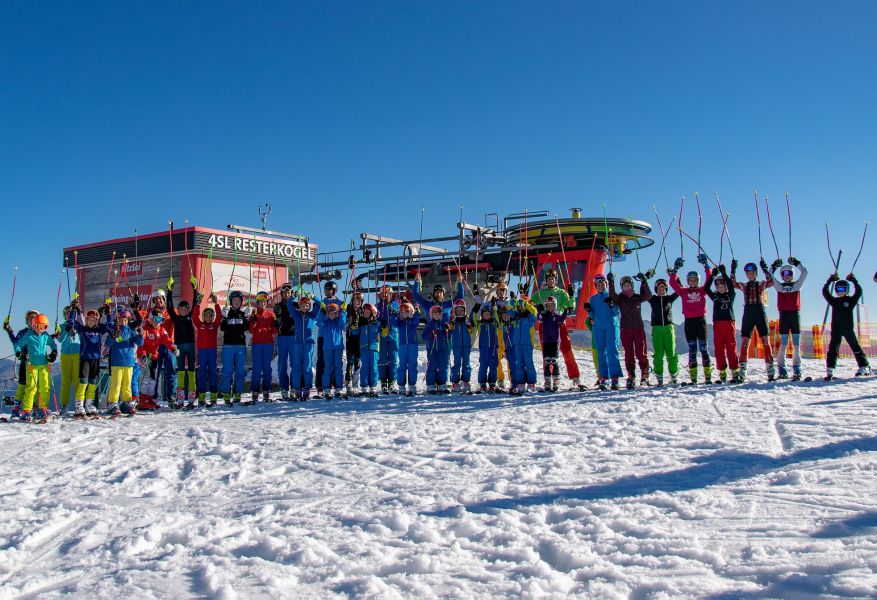
Kitzbuhel will open for its 2019-20 ski season this Saturday, the first ski area in the Alps without a glacier to provide a permanent base, to do so. The Tirolean ski area has one of the lopwerst altitude ski areas in the Alps, but in recent seasons has extended its snow cover for 200 days or more, opening in mid-October and staying open to early May. It manages this by snow farming – stockpiling snow at the end of one season through the summer then spreading it back out in the autumn. It will open three runs in the Resterkogel / Resterhöhe area this weekend. Access is provided thanks to the Panoramabahn cable car ascending from Breitmoos to the snow with slope access provided by the Resterhöhe 6-seater chairlift and the Resterkogel quad chair. Day passes cost € 40 for adults, € 20 for teens aged 16 to 18 and € 10 for children 6 to 15. Younger children ski free. The October opening is a big social and media event with around 3,000- people expected for the opening weekend and lots of media coverage. This year however there has also been some negative comments from environmentalists focussed on whether spreading snow on slopes that would otherwise be green is a good idea or not. The idea is gaining popularity around the world howeer4. Two ski areas in Scandinavia, Levi and Ruka in Finland, already have runs open thanks to it and Swedish ski area Idre Fjall has followed suit. |
|
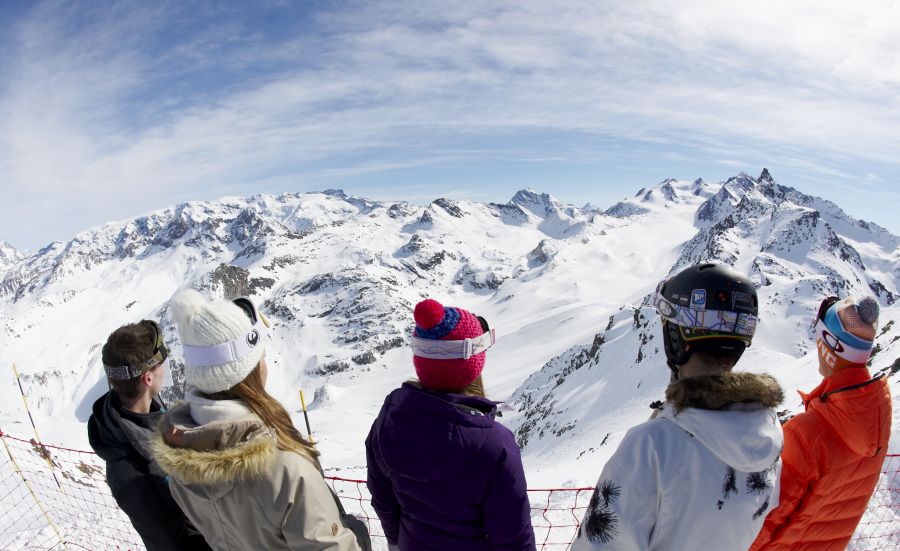
A number of new ski runs will open in the 3 Valleys in France, already the world's biggest ski area with 600km of piste. Two of the new trails will be intermediate grade red pistes in Méribel's Roc de Fer area. The first, La "Gypaète" will be accessible via the Cherferie chairlift. This run will stay "as natural as possible" the resort's management say with plenty of moguls and banked turns ending in a small series of tight bends before joining the Roc de Fer blue run. The second new run, La "Daguet", will be accessible from the infamous La Face black run. To access it skiers will need to swing left after the first big wall. The run then winds its way down virgin slopes and then goes through the forest, away from the main ski area. |
|

Tignes will open for skiing and boarding this coming Saturday 19th October according to a press released published on the French version of its site. The Grande Motte glacier had been due to open at the end of September but for the second year the resort delayed that, blaming a lack of snow cover, for which it blames climate change.
Currently J2Ski is forecasting some big snowfalls on high slopes in the Alps over the next week, with some areas potentially seeing more than a metre of snowfall if it arrives as models currently predict. However the biggest falls are expected further east, although Tignes may get 40cm or so. Les 2 Alpes is due to open for a week, the weekend after on the 26th, although it too has been forced to cancel opening its slopes several times in recent years due to lack of snow cover so early in the season. Around a dozen glacier ski areas are already open for the 19-20 season in Austria, Italy and Switzerland. |
|
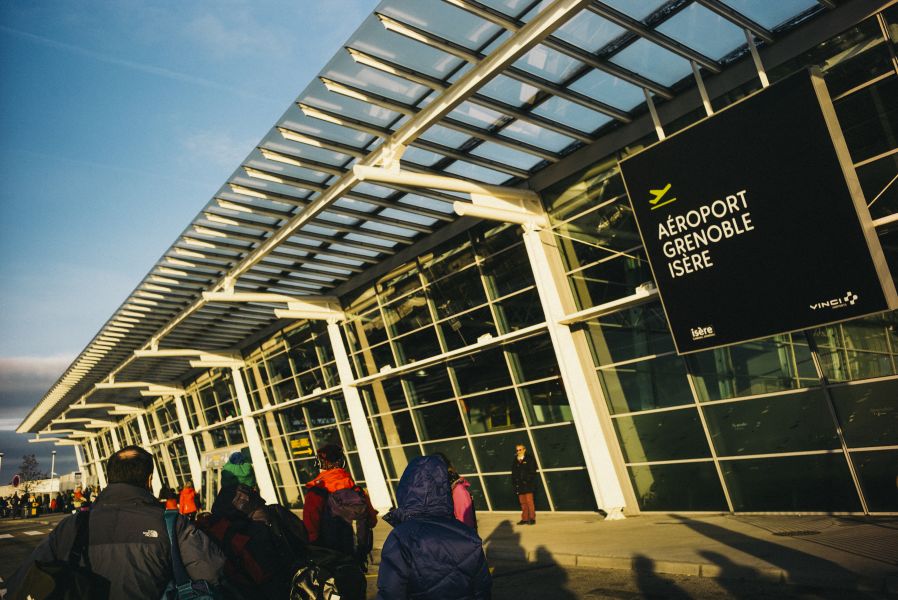
Thomas Cook Airline services may have gone but this winter sees three new ski routes introduced from the UK to Grenoble airport, which is officially now known as 'Grenoble Alpes Isère airport'. It is usually the best airport for accessing ski areas in the southern French Alps including Alpe d'Huez and Les Deux Alpes as well as smaller resorts like Villard de Lans, Corrençon, Chamrousse and les 7 Laux. Altogether the Isère region has a total of 23 ski resorts with a combined 1,200 km of slopes. The new flights include weekly flights on a Saturday from East Midlands airport with Jet2 commencing on 21st December running through to next April; a new route from Bristol with Ryanair from January to March 2020 and Easyjet are adding more flights to its existing service from Gatwick, also a former Thomas Cook Airline route, adding a service every Thursday making it possible to have a short break in combination with weekend services. Skiers can now fly into Grenoble from 10 cities in the British Isles (London, Edinburgh, Glasgow, Birmingham, Bristol, Leeds, Liverpool, Manchester, Dublin and Guernsey) using EasyJet, Jet2, British Airways, Ryanair and Wizz Air services. There are many direct shuttle services available from the terminal, to take skiers to all the main ski resorts. |
|
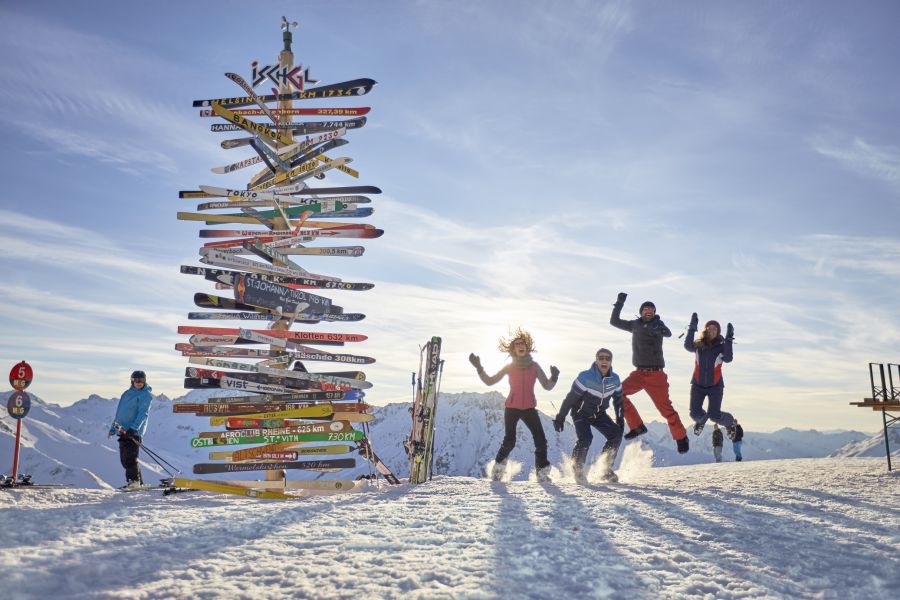
Ischgl in the Austrian Tirol launches its five month ski season at the end of November with another multi-million euro investments that will see it unveil more high-tech ski lifts – something it does almost every season. This summer it has splurged €24m on two new chairlifts, Velilleck and Visnitz, which replace lifts of the same name. The 6-seater heated Velilleck chairs also have weather protection hoods, featuring images of local plants on the backs, following on the theme introduced two years ago on the Palinkopf lift which depicts the rock stars to have performed in Ischgl's famous open air concerts – and then last winter with the upgraded Gampenbahn lift sporting alpine animals. The new €13.5m Velilleckbahn, taking skiers up to Pardatschgrat, is 1300m longer than the old lift – which carried more than 14m people during its 41 years' service – and is faster and quieter than any other lift in Ischgl's Silvretta Arena, capable of carrying up to 2,400 people an hour. Visnitzbahn is on the Swiss side of the Silvretta Arena at Alp Trida and the 8-seater, heated chairs with weatherhoods are the first of its type in Switzerland. The €10.5m lift, which replaces a mere quad installed way back in the 1990s, can carry 3,500 people per hour. Ischgl's has 239km of piste and its five-month long winter season opens on 28 November and the opening concert on Saturday 30 November features Berlin-based cult band Seeed. The act for the closing concert on 2 May 2020 has yet to be announced. |
|