

Messages posted by : J2SkiNews
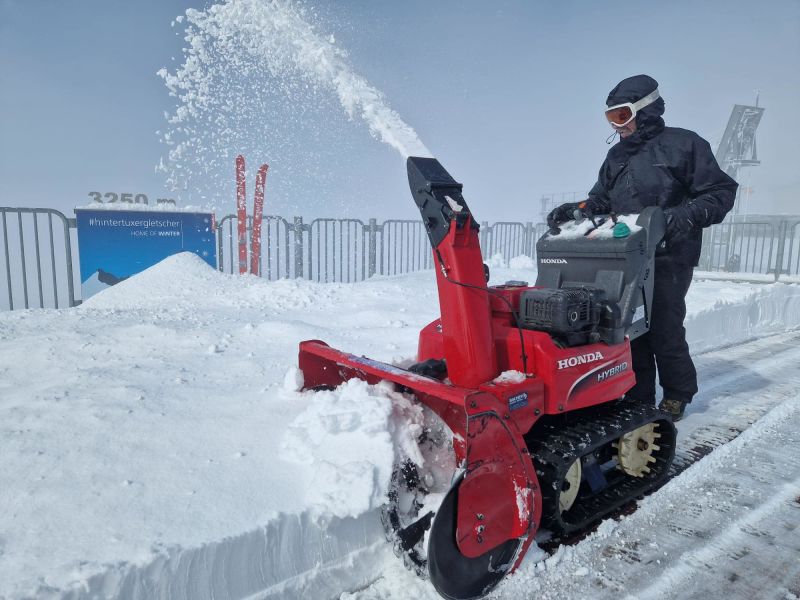
There have been healthy snowfalls reported on ski slopes on both sides of the world for what is the first day of autumn/fall (by the astronomical measure of the seasons) in the northern hemisphere, and of spring in the southern hemisphere. In the southern hemisphere a major storm in New Zealand left 40-50cm of fresh snowfall to the delight of skiers this morning. The Hintertux glacier, one of five currently open for skiing in the Alps, is pictured above today. It was joined by the Pitztal glacier as the second Austrian Tirol centre to open for the 23-24 season today. Mt Hutt in New Zealand, one of several centres aiming to stay open to mid-October, is oicturedearlier today below. 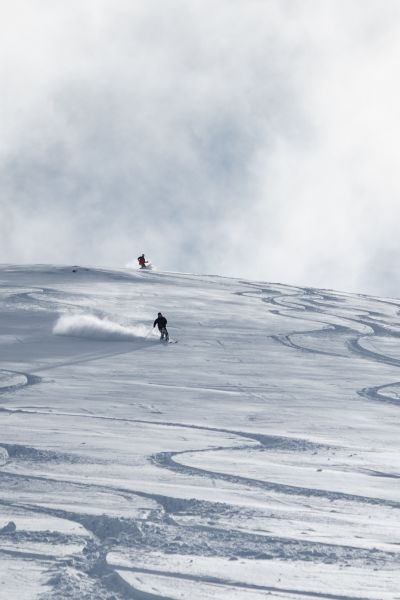 |
|
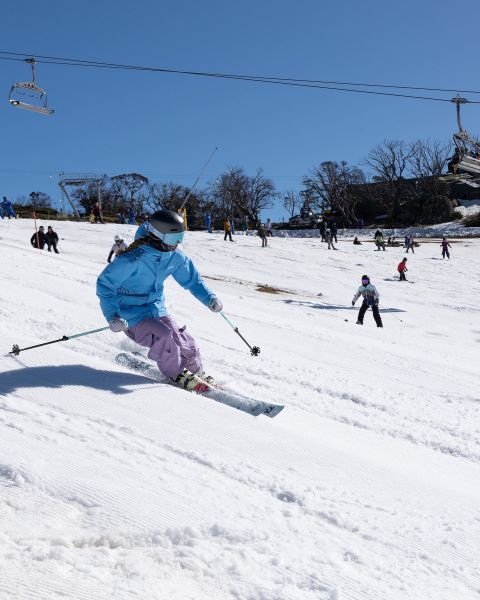
The last ski area still open in Australia has announced it is giving up trying to keep operating and will close its slopes for 2023 after a final day's skiing on Monday, September 25th. Perisher, which has the country's largest ski area and until recently had been posting a metre plus of snow depth, has succumbed to the double digit plus temperatures which have led most of the country's other ski areas to close in the past week. Falls Creek was the latest to give up on Wednesday, following the sudden closure of Thredbo, Hotham and Falls Creek last weekend.
Most larger Australian ski areas aim to stay open to the start of October each season and in many recent winters Perisher and others have extended their seasons a week or two into the month. After a promising start of winter 2023, with Perisher (pictured above on Wednesday) having more terrain open than anywhere else in the world for a time in June and July, it was unseasonably warm for most of the season. |
|
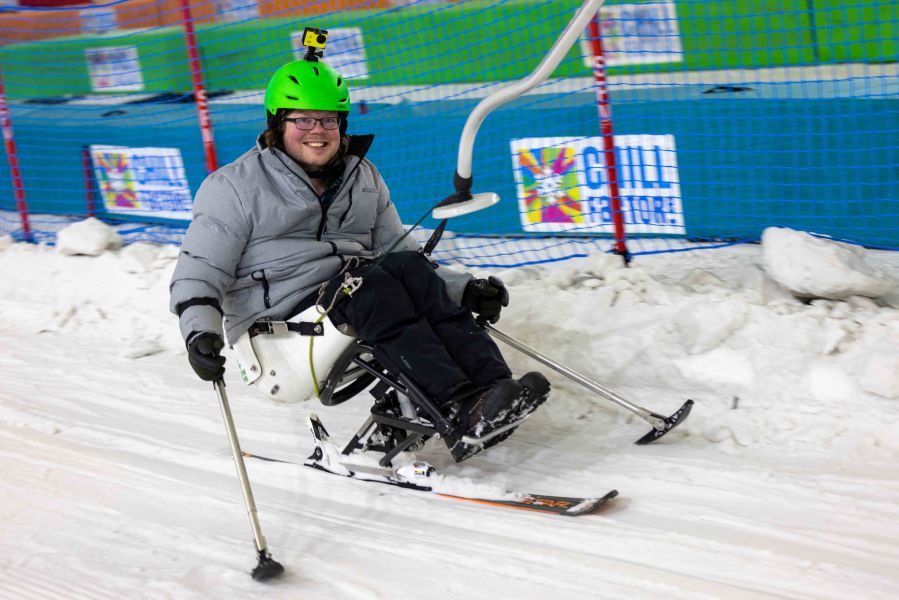
A group of skiers are attempting to claim the world record for the furthest skied using seated equipment. They'll be making their attempt at the Chill Factore indoor snow centre in Manchester on Monday 25th September – as part of a bid to raise vital funds for the charity that enables them to ski, Disability Snowsport UK (DSUK). The team includes Alex Macpherson, 17, from Chorley who was born with severe quadriplegic cerebral palsy and also has learning difficulties; Amber Meikle-Janney, 24, from Huddersfield who was born with hereditary spastic paraplegia (a rare neurological condition which mainly affects the lower limbs and core strength) and Will Macpherson, 34, from Harrogate who suffered a spinal cord injury following a bicycle accident in 2004 – with the trio competing alongside five other sit skiers from around the country as part of the challenge. The target for the team is to surpass 44km skied in eight hours by descending the 180m long slope (the longest indoor real snow slope in the UK), equating to the group skiing an average of 38 runs per hour.
Amber, who uses a mono ski says, "I first started skiing when I was six, but when I was 14 my body would no longer allow me to stand by myself, and that's when I came across mono skiing. I love the freedom it gives me. I like the speed, the adrenaline and the independence. In my daily life I'm a full-time wheelchair user and that has limitations – but when I'm on snow and I'm in the mountains, I'm free."
Virginia Anderson, CEO of DSUK says "We are aiming to raise a minimum of £3,000 from the world record attempt. All donations will go directly towards enabling people with all types of disabilities to take part in skiing and snowboarding at adaptive snowsport schools throughout the UK. We exist to help people like Alex, Amber and Will and through their efforts, we are certain they will inspire others to have a go too. By taking on this incredible challenge, the team are going a long way in helping us as a small charity to share the enjoyment of snowsports with many more disabled children and adults across the county."
The world record attempt starts at 12pm on Monday 25th September and will be independently witnessed by volunteers from the Bridgewater Trafford Rotary Club. To make a donation visit http://www.justgiving.com/campaign/dsukmonoski |
|
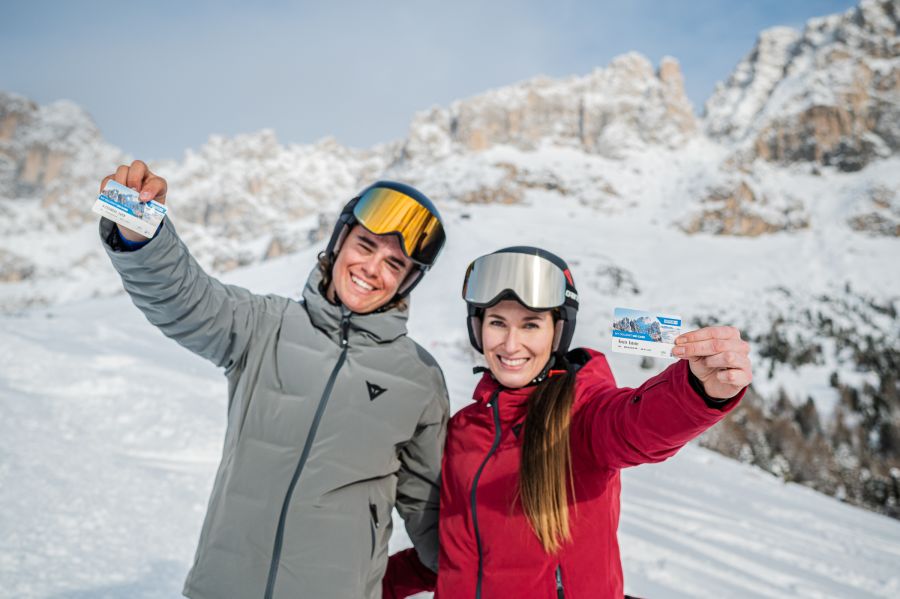
An adult 6 day high season lift pass will cost €404 for everyone aged 16 to 70 for Italy's Dolomiti Superski this winter, the first time the week's lift pass price has broken though the €400 barrier. The region is one of the world's largest, depending on how you measure it, with 1200km of partially lift-linked slopes served by 450 lifts. There are 890 individual ski slopes. In a press statement announcing the new prices Dolomiti Superski points out that the €404 price s for high season only, over Christmas and New year weeks and then from 28 January to 1st April 2024. At other times the ticket price drops to €363. There's also 5% off prices all season when tickets are purchased at least 48 hours in advance online. Children aged 7 and under ski free when accompanied by an adult buying an equivalent pass and children aged saving on the adult price. There are also discounts for "superseniors" born in or before 1953. As with most of the big regions skiers can also opt to buy a passes for one of the individual ski areas making up the bigger region such as Val Gardena, Cortina, Fassa and Badia, each as big as many other areas in their own right, and with lift passes costing 10-25% less than the full Dolomiti Superski ticket. Elsewhere in Europe, of the tickets that normally cost the most, the max price for the 3 Valleys 6 day adult ticket is €375, the 4 Vallées CHF 389 (about €405). Zermatt's has a range of prices and dynamic pricing that in theiry offers lower prices for early bookers. It's most expensive ticket includes the Aosta Valley and is shown as €534 (€557/£480) for 6 days. Chamonix had not published its 23-24 prices at time of writing but last year the full Mont Blanc region 6 day adult pass price was €365. Price calculator: https://www.dolomitisuperski.com/it/Skipass/Prezzi |
|
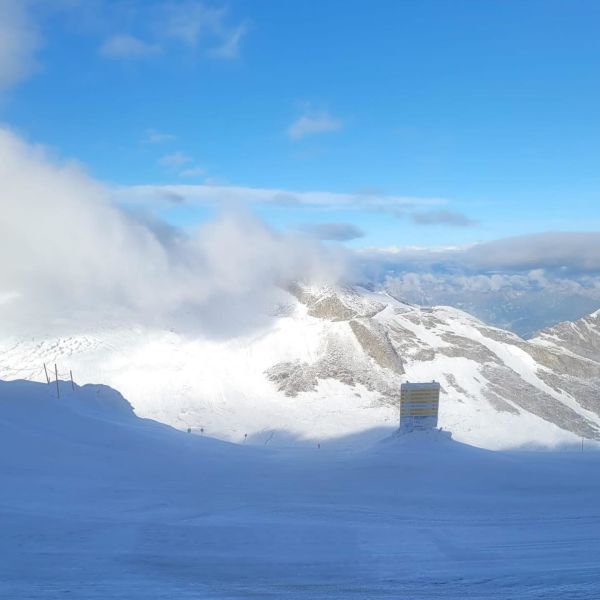
There's been some fresh snowfall on glaciers in the Alps in the past 24 hours, while Finland's largest ski resort, Levi, has reported snowfall down to resort level this morning (pictured below). The timing for both is good with four more Alpine glaciers due to open for their 23-24 seasons over the final weekends of September, the first Austria Pitztal this Saturday and Levi as well as Ruka in Finland on October 6th in a fortnight's time. The snowfall in the Alps, three days before the start of astronomical autumn, appears to mark a change to colder, more unsettled conditions after a fortnight of warm temperatures led to one of the four glacier centres currently open for snow-sports, Passo Stelvio, temporarily pausing operations for a second time due to thin snow cover. In Lapland Levi and Ruka are about to start spreading snow they'd stockpiled through summer from last winter back out on the slopes to create the first runs for autumn at the start of their 7 month ski seasons. 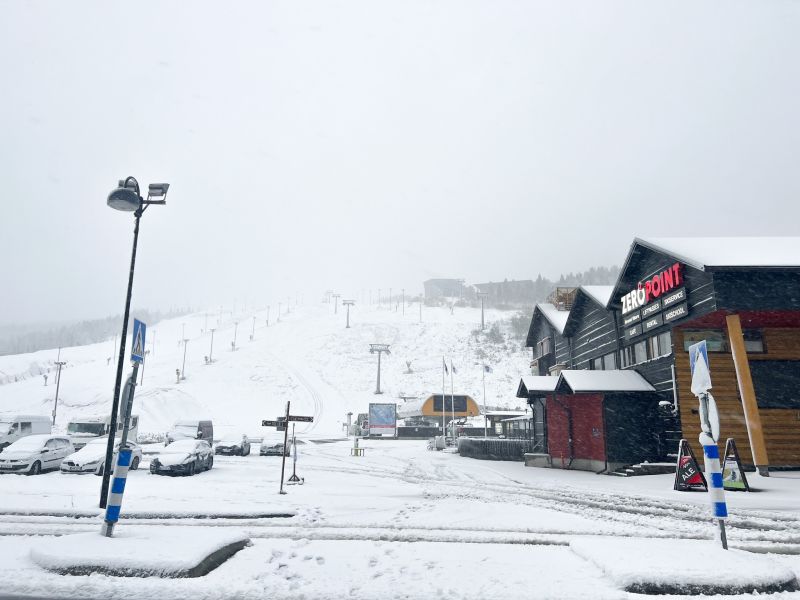 |
|
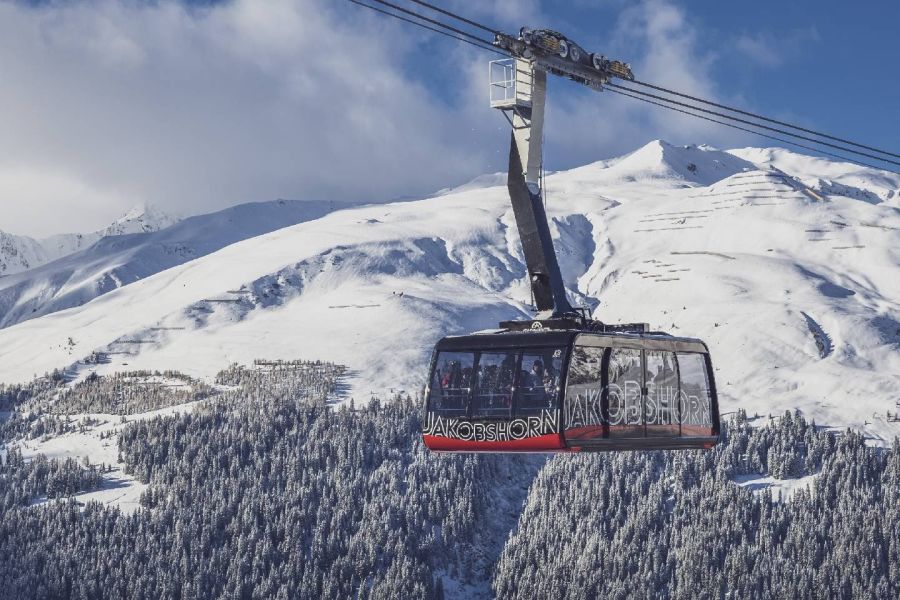
Many ski resorts are announcing new ski slopes for the upcoming season, but unusually Davos Klosters have announced they're taking a ski run out of service and "rewilding" the area instead. The resort's FIS Ischalp slalom run is no longer needed and has been reforested, giving more than 10,000 square metres of the mountainside back to nature. It's one out, one in though as there is also a whole new piste to explore between Usser Isch and the Carjöl areas of the Jakobshorn. The new run will offer strong skiers a long 2.5 km descent all the way down to Davos Platz, relieving the pressure on the Gämpen slope which is largely a forest road and providing an alternative route down for freeriders out of the trees. |
|
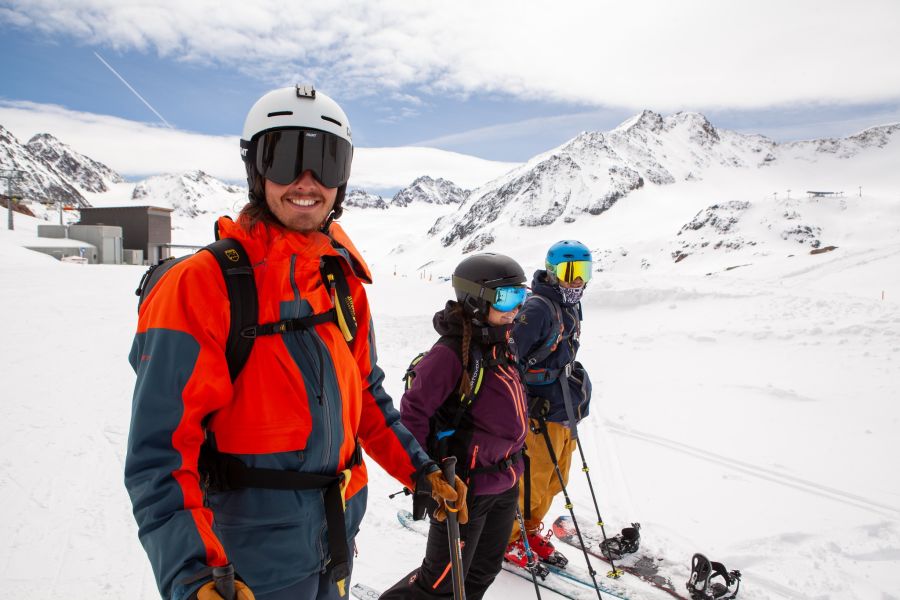
Alpine glaciers will begin opening this weekend for the start of their 23-24 ski seasons. The Pitztal glacier in the Austrian Tirol has confirmed it will open this weekend. Its announcement comes as temperatures fall and snow is forecast for glaciers this week after the first fortnight of September saw some very warm temperatures after a late August snowfall, leading to Italy's Passo Stelvio, which had closed briefly but reopened due to that summer snowfall, deciding to close for a second time this summer. Three more Austrian glaciers – the Kitzsteinhorn, Solden and Kaunertal are aiming to open before the end of September. In the first half of October three more glaciers, the Titlis above Engelberg in Switzerland and two more Austrian centres, Molltal and Stubai, are also planning to open. Three glaciers are currently open already having been open through the summer heat, Switzerland's Saas fee and Zermatt and Austria's Hintertux. Italy's Passo Stelvio also plans to reopen as conditions improve and Cervinia will begin year-round access to the glacier area it shares with Zermatt. Centres not opening this autumn though include Austria's Dachstein, where the ski lifts are being removed and Val Senales in Italy where the access cable car is being upgraded until December. There'll also be no glacier skiing in France with Tignes apparently giving up on autumn operations and not opening until the end of November. Les 2 Alpes may be the first to open there with a fortnight of operations planned from the last week of October if conditions are good. In Scandinavia, Norway's Galdhopiggen glacier is open and Finland's Ruka and Levi plan to open runs at the start of October using snow stored from last season and spread back out on the slopes. |
|
|
Falls Creek has announced it will close early on Wednesday, leaving only Perisher open.
|
|