

Messages posted by : J2SkiNews
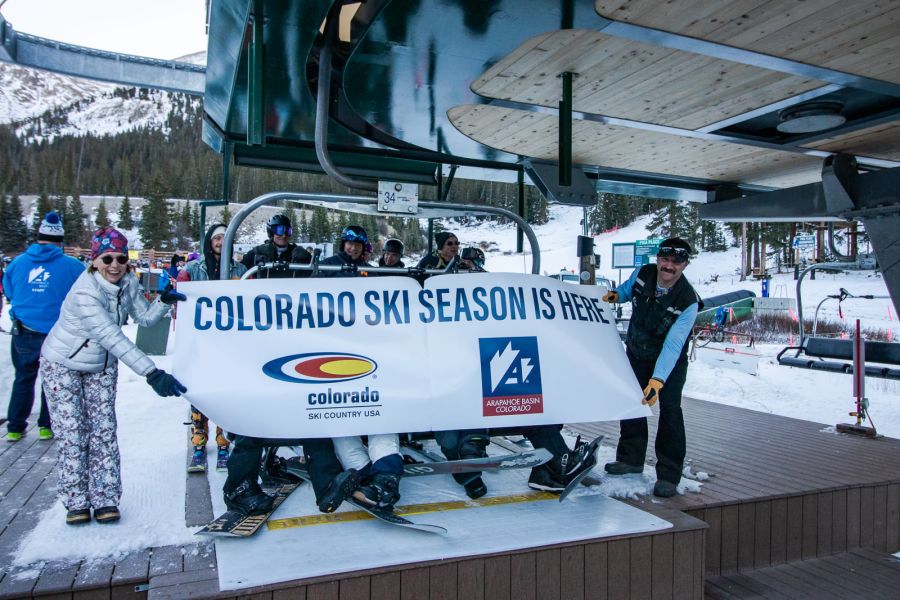
As ski holiday sales continue to yoyo according to restriction levels, tour operators have put 22-23 packages on sale earlier than ever before and are reporting sales are already ahead of usual for next winter …just not as far ahead as they were this time in 2020 and 2021. The "bookings rolled over" impact that left many key dates pre-sold may be a small impact for French holidays in Christmas and New Year 22-23 after some people who were unable to take their holidays this winter as France closed their border to UK leisure travel, but not so much as this winter or 20-21.
Early group bookings for next winter are however especially strong according to Richard Sinclair of specialist travel agency SNO.co.uk (http://www.sno.co.uk)
There is also an ongoing issue with a lack of holidays on sale due to the pandemic and Brexit impacts according to Nick Morgan, Managing Director of Le Ski who commented.
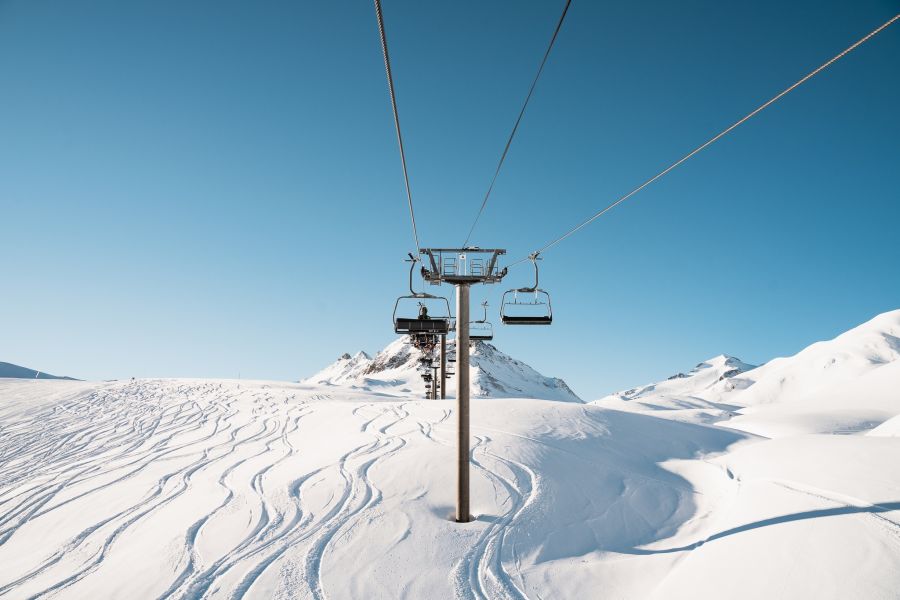
Brighton based Ski Beat, one of those whose 2022/23 ski season is now bookable online at (http://www.skibeat.co.uk), says that now, more than ever, it makes sense for skiers to book a season ahead, to get exactly the ski holiday that is right for them.
As to the remainder of this season, very unusually there's still quote a lot of availability for the usually sold out February half term weeks because of all the restrictions and communications chaos over travel over the past two months. However everything is open and restrictions currently continuing to ease. The main issue is finding an affordable flight from the South-East so skiers based there are advised to self-drive or travel to a regional airport south or north to get on the flight for fraction of the cost from London airports. Easter is looking very busy, particularly the week from 2nd April. Inghams have extended their season by a week to final departures on 16th April to try to meet demand. For countries like France and Italy this will be the first March and April for three years that the slopes are open (all being well) and there are bookings held over from 2020 and 2021 ready to go. There are though people who have decided to skip this winter altogether and wait for, hopefully, more stability by 22-23. (https://www.vip-chalets.com/) |
|
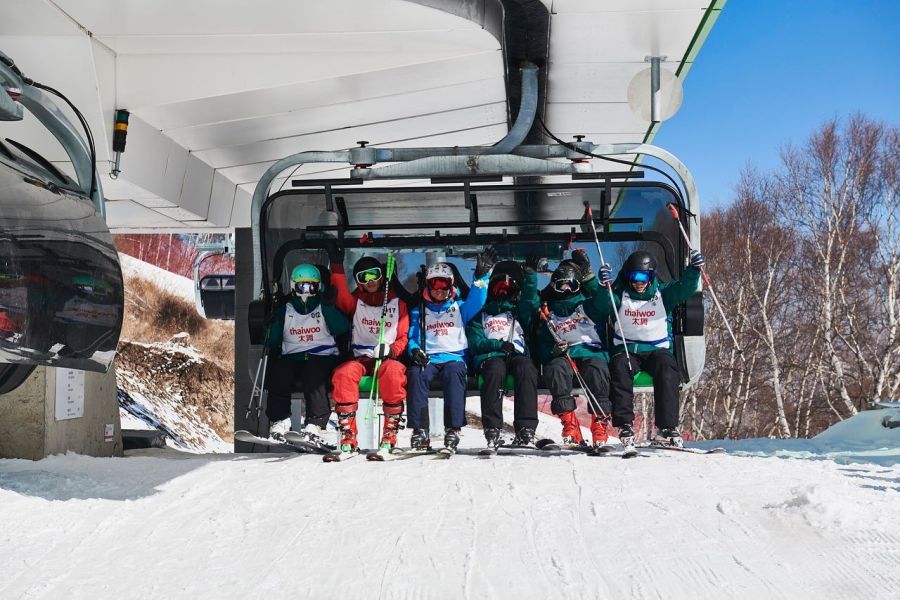
China has reportedly reached and passed a goal it set seven years ago to see more than 300 million people try winter sports before it hosted the 2022 Beijing games. According to the country's winter sports governing body, the number to have tried ice or snow sports has reached 346 million – about one in four Chinese people and probably more than the rest of the world combined. The challenge, laid out in 2015 by President Xi Jinping, includes ice skating as well as downhill and cross-country skiing. China now has towards 1,000 places to ski, most of which have opened in the past five years. In hitting the participation target a crucial element of the challenge was that the bulk of China's vast population live in the hot, flat plains to the south of the country that rarely, if ever, see snow. The country has solved this issue by building more than 30 indoor snow resorts including the world's four largest and over 100 dry ski slopes or installed conveyor slopes in shopping malls. |
|
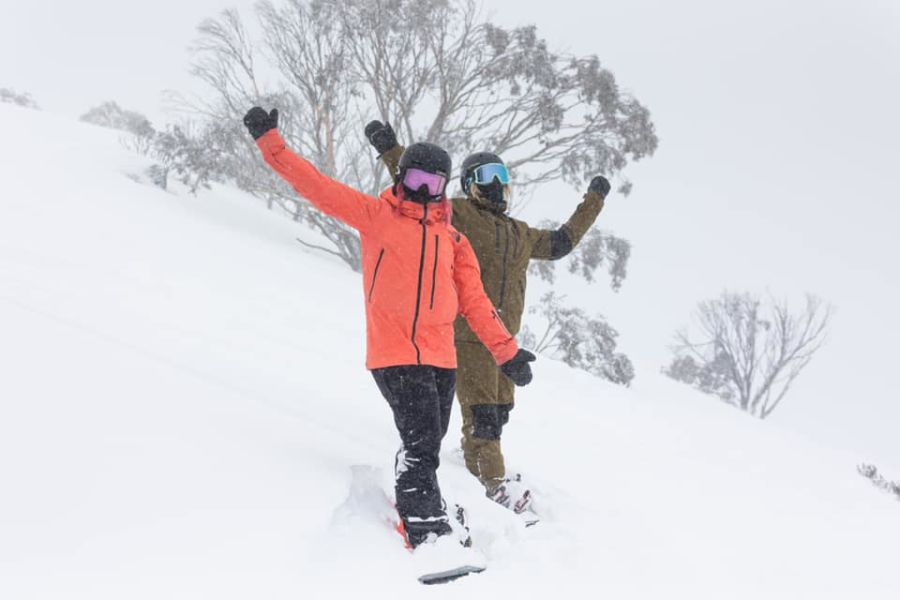
Ski areas in Australia and New Zealand are currently set to re-open to skiers and boarders from around the world later this year, for the first time since winter 2019. Both countries have announced border rules easing, which will allow those who are fully vaccinated to enter, although terms and conditions remain. Australia will begin re-opening its border this month. The country has had many lockdowns over the past two years which resulted in few Australians being able to get on to the country's ski slopes, which were frequently shut down, let alone international skiers. However, there's a hope of more normality this winter. New Zealand's ski areas remained largely open due to the country's strict border controls and suppression of virus outbreaks. Skiers and boarders were able to ski without distancing or masks for much of the past two winters. It will ease restrictions progressively allowing international visitors in from July – the first full month of the ski season at most New Zealand areas. However initially only arrivals from countries from which visa-free travel is normally allowed to New Zealand will be allowed in. Everyone else will have to wait until later in the year, when the 2022 season is coming to an end. |
|
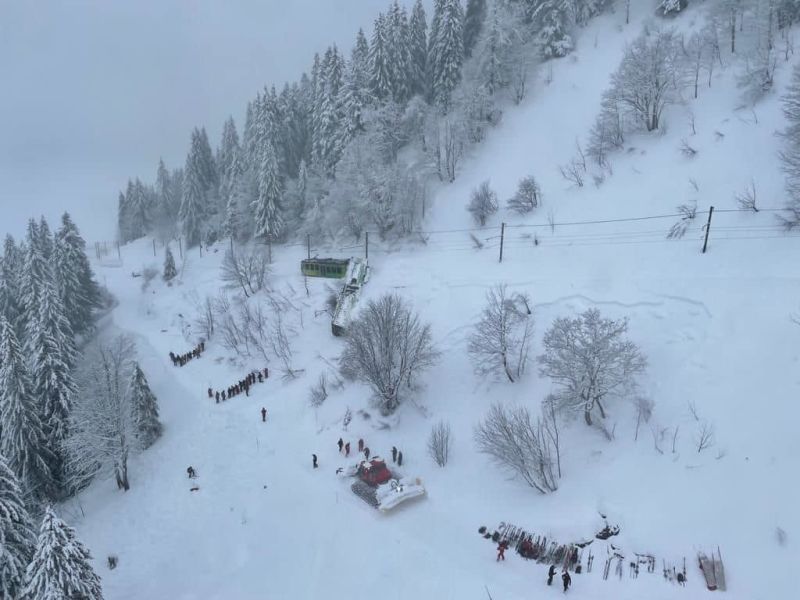
An avalanche has hit and derailed the funicular railway which takes skiers from the Swiss ski resort of Villars up to the heart of the ski area at Bretaye. The train was empty of passengers at the time and only had its driver on board, who is described as "fine" after the accident. The avalanche, on Wednesday afternoon, hit between Col de Soud and Col de Bretaye in the upper part of the track, sweeping two carriages of the three-carriage train from the line.
The avalanche happened following heavy snowfall in the region after a largely dry start to 2022. There are several alternative routes up to Bretaye from the outskirts of Villars 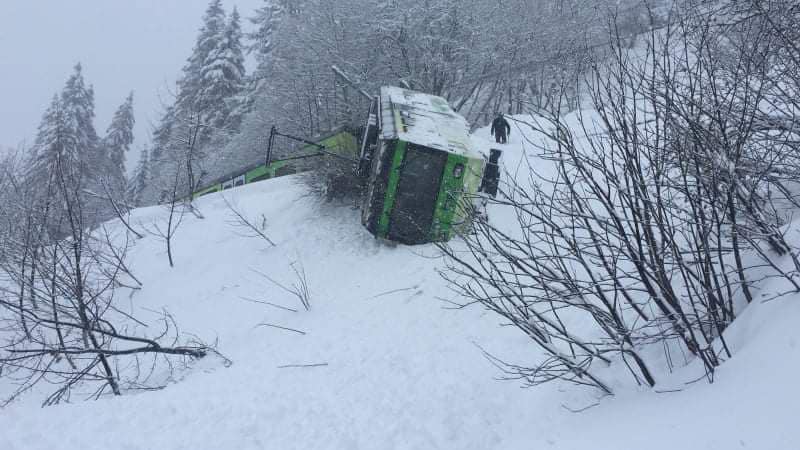 |
|
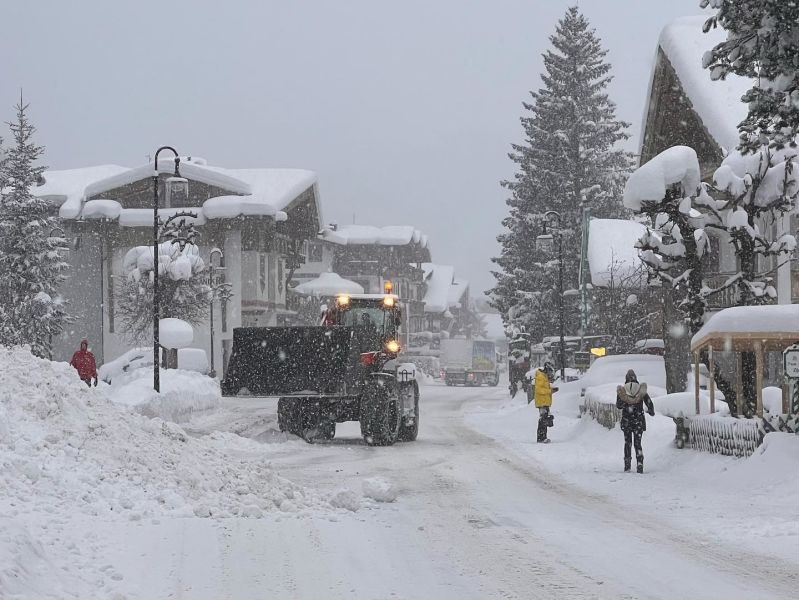
The largest storm of the 21-22 season so far has brought increasingly large accumulations to the Eastern side of the Alps over the past few days with the accumulating snow beginning to cause operational issues at some areas. A number of resorts in Austria and Switzerland reported they'd already hit 50cm (20") of snowfall in 24 hours yesterday and at least one of these Zillertal Arena, has announced its now closed this morning (2nd February) due to blizzard conditions and increasing avalanche danger as the snow continues to fall. The Stubai glacier has also announced it is closed today due to avalanche danger above its access road. The fresh snowfall is a big boost for ski areas in the longer term however, with most having seeing limited fresh snowfalls since the start of the year. Most are however fully open, or nearly so, thanks to big accumulations at the start of the season in December.  |
|
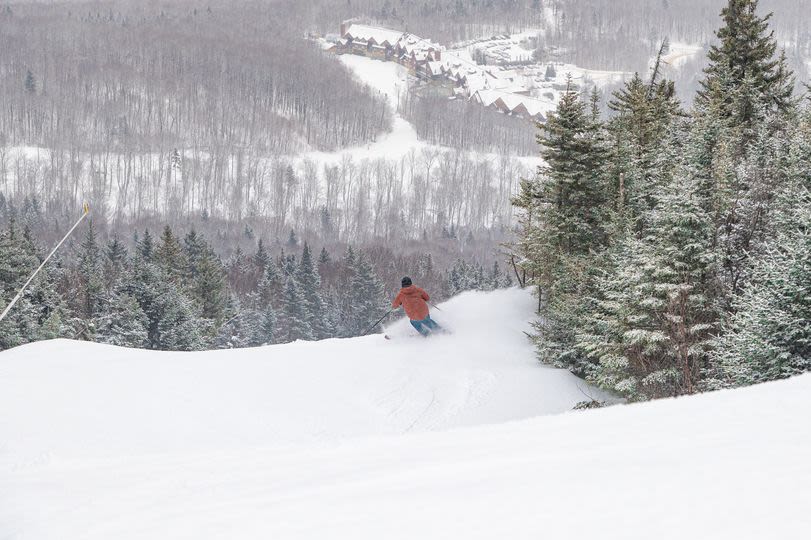
There have been reports for weeks and months now of the difficulties ski areas in North America have been facing this season, most connected to the impact, sometimes indirect, of the ongoing pandemic. Key issues have included first labour shortages to actually man lifts and facilities like ski rentals and restaurants due in part to a lack of international staff and in part staff that could work either catching covid or having to isolate as a close contact has had it. Some ski areas have had to close some days due to lack of staff, many others have been unable to operate all the lifts and thus open all the terrain they wanted to. Aspen, who say they have not had to close anything as a result, did say they are 7% down on staffing for the season and that the worse sick day saw 275 staff unable to work. Then there have been problems with staff seeking better pay and conditions and threatening strike action at some resorts, most notably America's largest, Park City. This has been a combination of having to work more in the pandemic and longer-term issues with rising living costs as mountain towns become ever more expensive to live in because of their success and noting that the corporations and their bosses are making big profits and huge salaries and benefits leaving more lowly "colleagues" seeking a bigger cut of the pie. It was also a poor start to the season for snow cover with little snow right across the US until mid-late December when the West got some, in some cases too much, whilst the East struggled on until the New Year finally brought some respite. Matters have particularly come to a head at Steven's Pass ski area in Washington State, one of the more recent of Vail Resorts' 40 ski area purchases. Here a petition by a disgruntled Epic Season Pass holder has garnered some 44,000 signatures. It alleges (among multiple negatives) that the area had only opened around a third of its terrain when neighbouring resorts were almost fully open, with the consequence that Epic Pass holders were turned away as the limited slope space was quickly filled. Those that did make it on to the slopes spent most of the day standing in epic lift lines the petition goes on to allege. The petition begins:
All these issues have been reported on by local publications close to the ski areas across the continent since November, but now national publications like the New York Times are putting it all together. They report Killington in Vermont have about a 30% staff shortage which is impacting their ability to fully open retail and dining businesses, particularly midweek. |
|
|
Thanks SwingBeep!
|
|
|
Oh thanks, the Austrian National Tourist Office has been the only one to let us know. From the links it looks to be the shortening of validity of the first two jabs to six months that's pan-European, that seems to have been agreed before the effectiveness of boosters was determined? So is it right that part of it (6 months for 2 jabs) is all EU and the 9 months if you've had the booster is currently Austria only, or is that all EU/Switzerland too do you know?
|
|