

Messages posted by : J2SkiNews
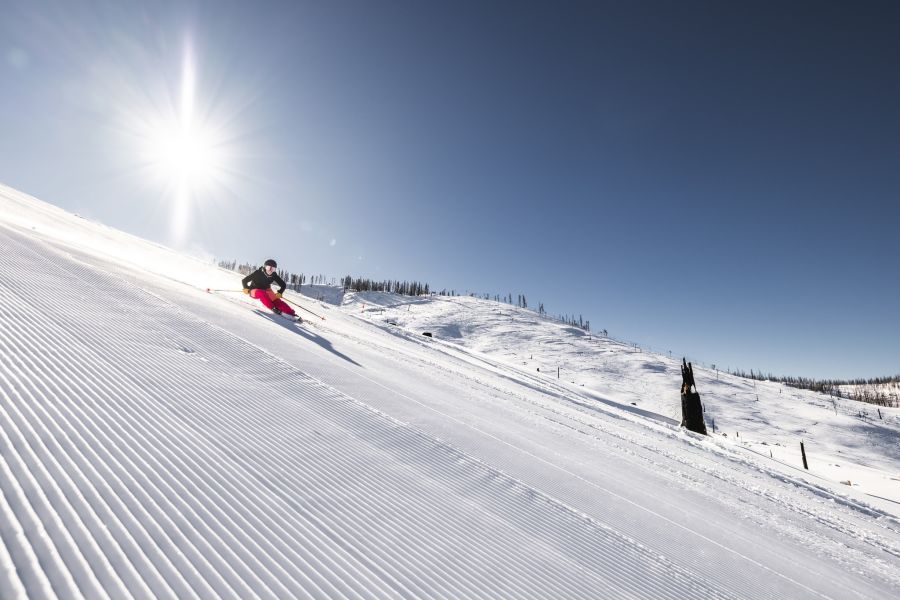
California's Sierra-at-Tahoe ski area has opened all of its terrain for the first time since its infrastructure was badly damaged by the huge Caldor wild fire of late summer 2021. The fire threatened several Californian ski areas and led to the evacuation of South Lake Tahoe below Heavenly, but was stopped short of destroying lifts and buildings there, however Sierra-at-Tahoe saw flames lass through the ski area. It was then closed until the very end of the 21-22 season and only partially opened in winter 22-23. The resort had planned to reopen its entire footprint this season with newly revealed terrain on top, but was thwarted until now by poor early season snowfalls in Western North America. However, January snowfalls and colder temperatures have allowed the entire mountain to fully open this week, with the Backside terrain the last to open at the weekend. The resort has made a marketing angle of its fire damage describing its renewed set up as "forged by fire". Sierra-at-Tahoe averages 400+ inches of natural snowfall a year with 48 trails, has eight terrain parks and 2,000 acres of terrain. |
|
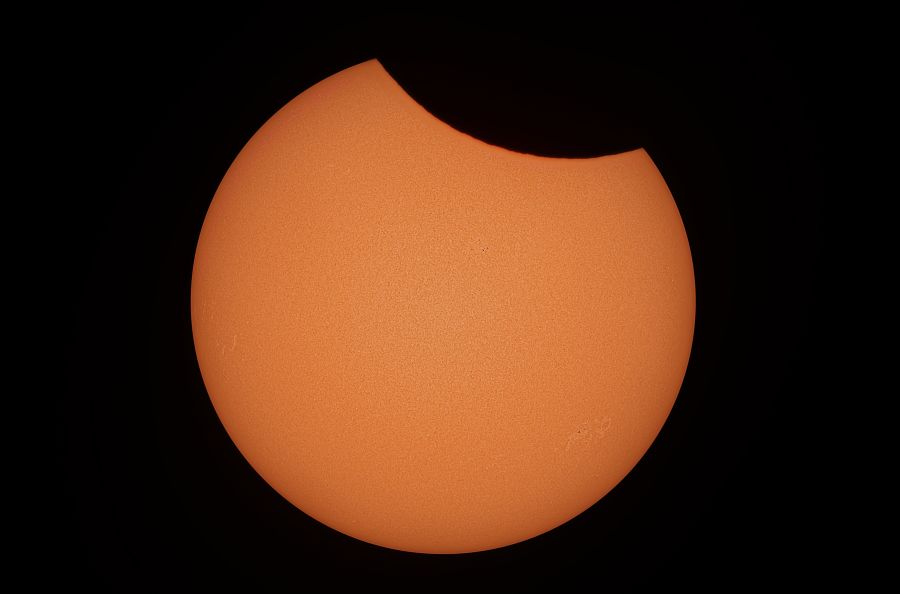
2024 will be the peak year for seeing the aurora (northern lights) from the world's more northerly latitudes and will also see a rare total solar eclipse pass over ski areas in the US Midwest, Northeast and Quebec close to the end of the ski day in April. Riksgransen ski area in the Swedish Arctic Circle, which opens for its 2024 ski season next month, is highlighting that the sun is predicted to reach the peak of its 11-year activity cycle between now and October 2024, meaning a phase of increasing solar winds and a greater likelihood of seeing the aurora. However it's worth noting that the hours of darkness, although long in midwinter, rapidly diminish through the spring at northerly latitudes. Riksgränsen will see 24 hour daylight by May and reopen for midsummer celebrations and skiing under the midnight sun from June 20 to June 23, 2024. Having made landfall in Mexico, the total solar eclipse will cross North America diagonally from the southwest to the northeast on Monday, April 8, 2024 at the end of the skiing day. Ski resorts in the path of totality include Stowe in Vermont and Mont Tremblant in Quebec among dozens of others. Those elsewhere in the region will get 99% and even over in California and Colorado it'll be 30-50% approximately. Many US ski areas will close for skiing on or before Sunday April 7th however, the end of east week so again its important to check your ski area will still be open if you plan to ski under the eclipse. Riksgränsen opens for its winter season from February 23 to May 26, 2024. |
|
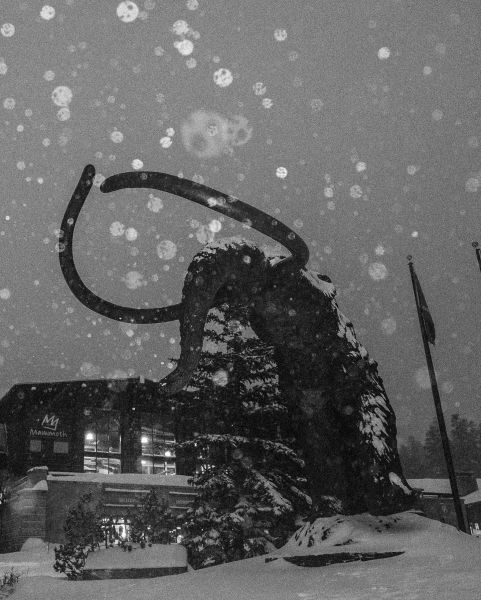
After one of the worst starts to the season for snowfall in years, Californian ski areas have seen something of a bounce-back with a fairly snowy January. Mammoth Mountain reports, "We just tallied 6 feet of snow in the month of January!" The news come after the resort reported only two feet and two inches of natural snowfall between opening for its 23-24 season on 10th November and New Year. This was only a little over 10% of the more than 15 feet of snowfall it received from multiple snowstorms in the same period in November-December 2022. That turned out to be a record season passing 900 inches (nearly 23 metres) of snowfall and saw Mammoth stay open until last August. Mammoth is now almost 100% open with 165 of its 176 trails are open and it's unclear how much its business will haves been impacted by having only limited runs open at the key Thanksgiving, Christmas and New Year holiday periods. Last winter there was too much snow falling and lifts and slopes couldn't open while they were dig out and made avalanche safe. The poor snowfall figures, which were repeated across the Western US in November and December, have been blamed on a strong El Nino system from the Pacific Ocean bringing warmer than average temperatures and coupled with climate change. |
|
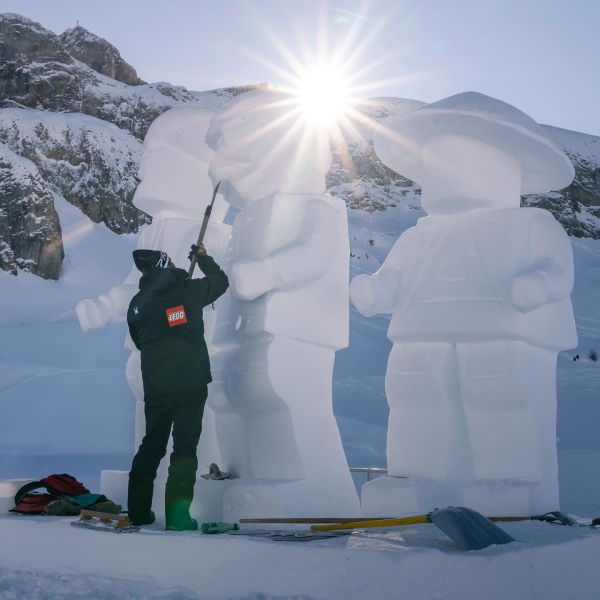
Austrian resort Ischgl has gone Lego crazy this season with a series of Lego-themed events. The 30th edition of their "Shapes in White" snow sculpture competition was this year themed on on Lego creations. This year Lego judges joined the Ischgl jury in deciding their ten favourite designs to be created. The chosen artists got to build their creations at designated locations across the ski resort. 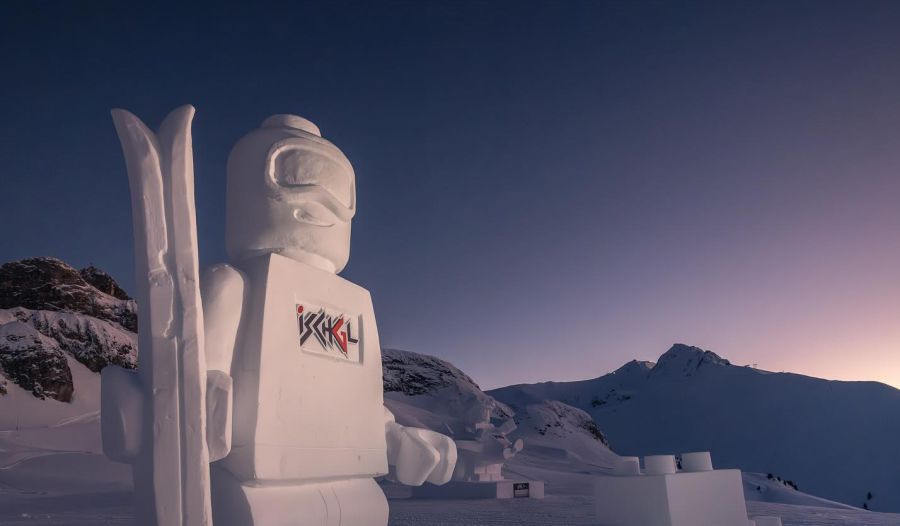
Coming in February the world's highest-altitude Lego fan exhibition in Ischgl will be up and running between 3 and 25 February 2024. Located up at 2,624m in the Pardorama mountain restaurant at Pardatschgrat the exhibition will include Lego worlds, "My Own Creations" (in short, MOCs), Lego replicas of world-famous buildings and numerous other Lego creations. 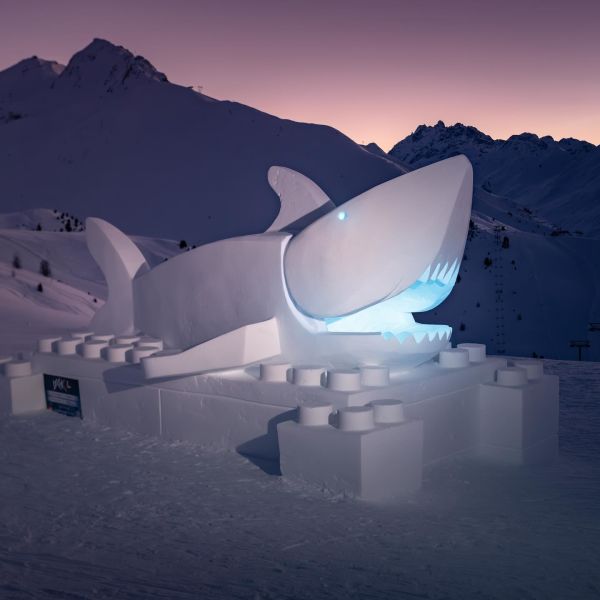 |
|

A 16-year-old who, along with his two brothers, has been brought up a ski racer by his ex-ski racing Mum and Dad, has taken silver and gold medals, at the Youth Winter Olympics currently underway in Gangwon, South Korea. Zak Carrick-Smith, the son of former racers Emma Carrick-Anderson and Phil Smith, won gold in the Alpine Skiing Combined competition on Monday, then took silver today in the GS competition. The two medals are the first Team GB has ever won in the Winter Olympics, which celebrate 100 years since the opening ceremony of the first games in Chamonix tomorrow. Zak has a twin brother and another brother one year older, who are also world-class racers. Emma, a three time Winter Olympian herself, and Phil run the renowned Snoworks high-level ski teaching operation. Gangwon, which re-uses some of the venues from the 2018 Winter Olympics in South Korea, is the fourth Youth Games, accepting competitors aged 16 to 18, following the event's launch in Innsbruck in 2012.  |
|
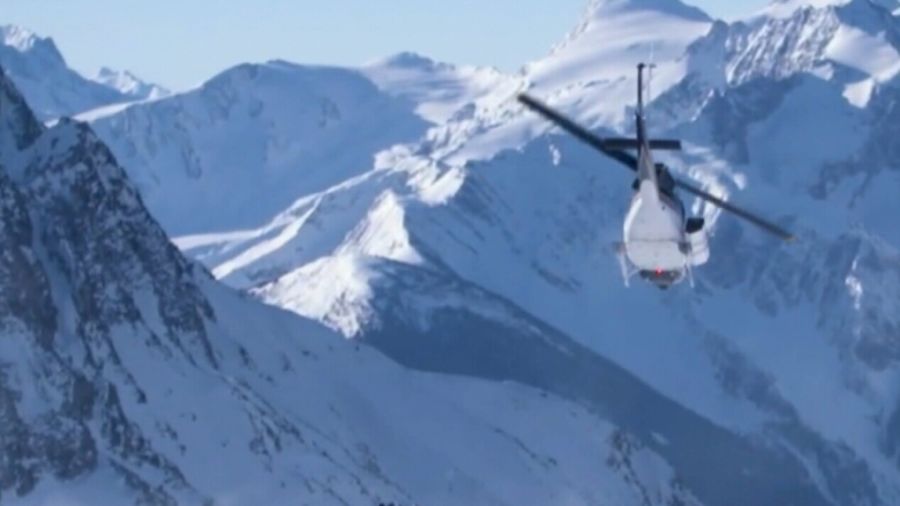
At least three people are dead and four in a critical condition following a helicopter crash in mountains on the BC/Alaska border in Western Canada. The helicopter, operated by Northern Escape Heli-Skiing, was reported to have been carrying six heliskiers along with the pilot and a guide.
There have been a number of helicopter crashes and avalanche fatalities for heliskiers in recent years. One of the most high profile saw five die in a crash in the Chugach Mountains of Alaska, including the then richest man in the Czech Republic, billionaire Petr Kellner, in 2021. Among other events, three German heliskiers were killed in an avalanche near Panorama in BC in March last year, and two Americans in another near Revelstoke, also BC, last January. The winter before a heliski guide died in an avalanche he triggered while scouting a route for a group of heliskiers in Alaska. |
|

China has taken skiing on indoor snow to another level over the past decade. The country's vast population predominantly live in the humid south of the country where natural snowfall is almost unheard of, so bringing the snow to the people has been a big hit with China now home to more than 50 indoor snow centres, more than a third of the world's total and most built since 2015. Industry studies from the country estimate that almost 20% of China's skiers do so indoors. The indoor snow centres are not only numerous, but big. Six of the world's 10 largest are located in China, including the three biggest. Now they're going bigger though with the next world's biggest under construction in the city of Shenzhen, China's third most populous city by urban population after Shanghai and Beijing. with a population of 17.56 million in 2020. Huafa Snow World has been designed by international architecture firm 10 Design on a 131-hectare site and is slated to open in 2025. At 80,000 square-metres the slope will be about 10,000sqm bigger than the current largest slope in Harbin, Northeastern China.
The main ski slope will be 441-metres-long with an 83 metre vertical, not the longest in the world (indoor slopes in France and Germany are both a little over 600 metres) but the biggest by area. |
|
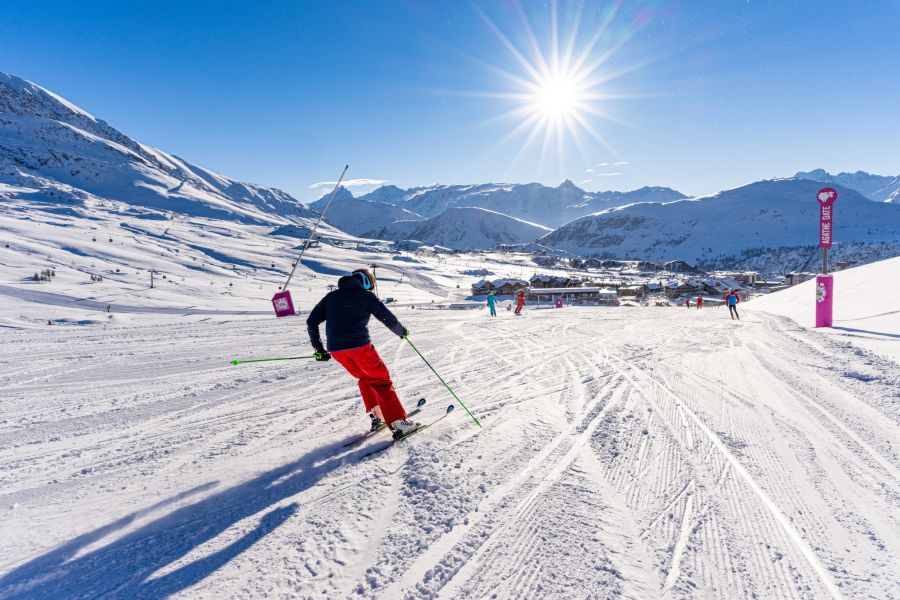
Alpe d'Huez has leap frogged fellow French resorts Chamonix, Les Arcs and Flaine, which have all been posting the deepest snowpacks in the world at over 4 metres for some weeks, to report a 5 metre base at the 3330m summit of its ski runs. It's the first in the world to report a 5m base this season. The jump in its snow depth came as resorts in the western Alps reported up to a metre of snowfall on high slopes over the last few days, with Switzerland's Glacier 3000 area near Gstaad posting one of the biggest accumulations. But it is a very mixed picture as ski areas with slopes below about 1800m reported up to 36 hours of non-stop rain in the latter half of last week, so altitude is currently playing a big part. Avalanche danger levels are currently widely at level 3, "considerable" in the Western Alps, widely regarded as the most dangerous due to the likelihood of skiers and boarders "risking it" when they don't at level 4, or "high". Last winter ski areas in the Alps suffered below average snow depths, again particularly below 1800m, and the first 4 metre base was not achieved until late March at Tignes, which also reached 5 metres after many other ski areas had closed for the season in late April, so snow depths appear much further advanced this winter, at least at altitude. Usually the deepest snow any major European resort reports is 6 metres by March-time with Andermatt, Engelberg and sierra Nevada all having reached this number, but that wasn't achieved anywhere except on Norwegian late spring glaciers, last season. Some resorts in Asia (Japan) and Western North America have reached 8 or 9 metre depths in springtime in recent past seasons. |
|