

Messages posted by : J2SkiNews
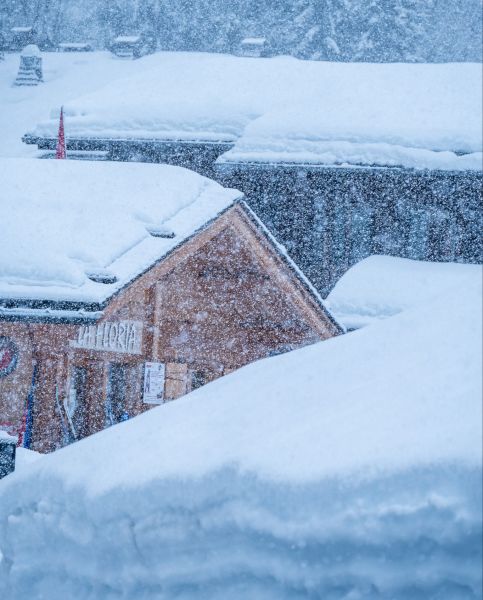
Several French ski resorts posted mote than 2m of snowfall over 72 hours at the end of last week, the biggest of the season to date. As high avalanche danger closed many slopes and led to a road network slowdown, the timing wasn't ideal just as the busy half-term holiday period was getting underway. Le Grand Bornand is pictured above on Thursday 12th. By Friday afternoon however, the skies had cleared and the wind eased and the weekend saw great conditions as slopes were made safe to reopen. Chatel is pictured below on Friday 13th. 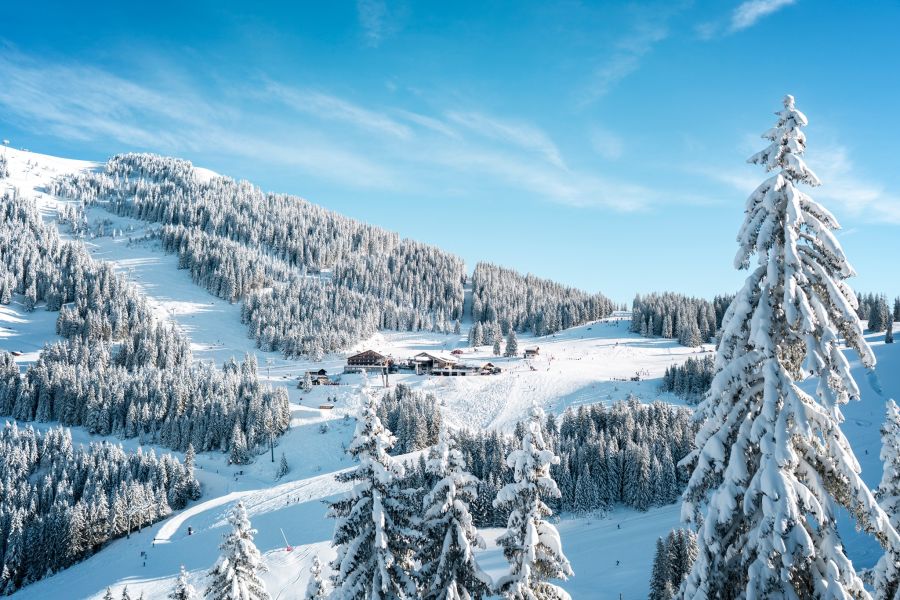
Les Arcs and Chamonix both posted just over 2.5m of snowfall on their highest slopes over 72 hours to Friday. The Chamonix Valley (Grands Montets at Argentière to be exact) along with Alpe d'Huez and Pelvoux/Vallouise are posting the deepest snow in the French Alps at 3m/10 feet on their upper slopes, Les 2 Alpes is just behind on 2.9m. These kind of numbers are enough to see out the final three months of the season, although it is only mid-February and most seasons they would continue to climb for at least another month before the spring thaw starts to win out. It is now dumping again and another metre of snowfall is in the forecast for the coming week. France's deepest snow is reported down in the Pyrenees, which have had a consistently good season for regular top ups. Piau Engaly is posting 3.5m. |
|
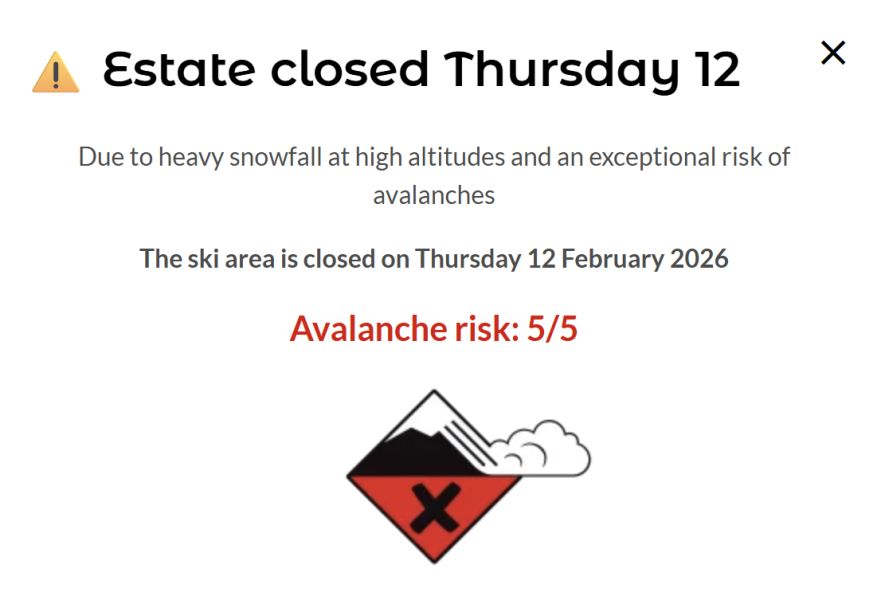
Extremely heavy snowfall and strong winds has led to avalanche danger reaching the maximum "very high" 5/5 in parts of the French Alps including the Tarentaise Valley. As a result most resorts only have limited terrain, considered safe, close to their bases open today. La Plagne, where a British skier died in an avalanche after a heavy snowfall event last month, has decided to close its slopes completely. Snowfall totals of over a metre have already been reported over the past 36 hours at a number of resorts including St Gervais and Chamonix, where wind speeds of over 100kph are also forecast today. With the snowfall expected to continue through to the weekend, resorts have warned of likely travel delays for skiers accessing and leaving them. Along with avalanche danger, most are stressing the use of snow chains on vehicles is currently obligatory. For Brits there's the added issue of European airports implementing the new EES digital entry system for non-EU passport holders as a new "Brexit Bonus" leading to long delays at times. As this is also the start of the busy February school holiday period in France, the UK and many other nations, ABTA have warned.
In the Pyrenees, resorts including Les Angles and Baqueira Beret have decided to close today due to very string winds. 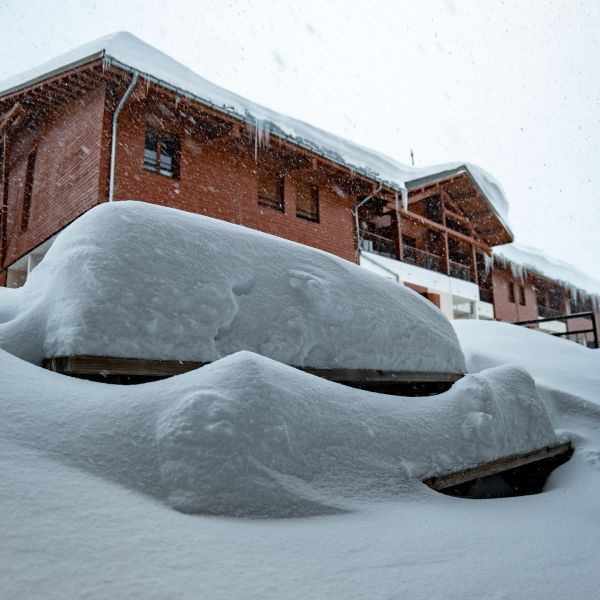 |
|
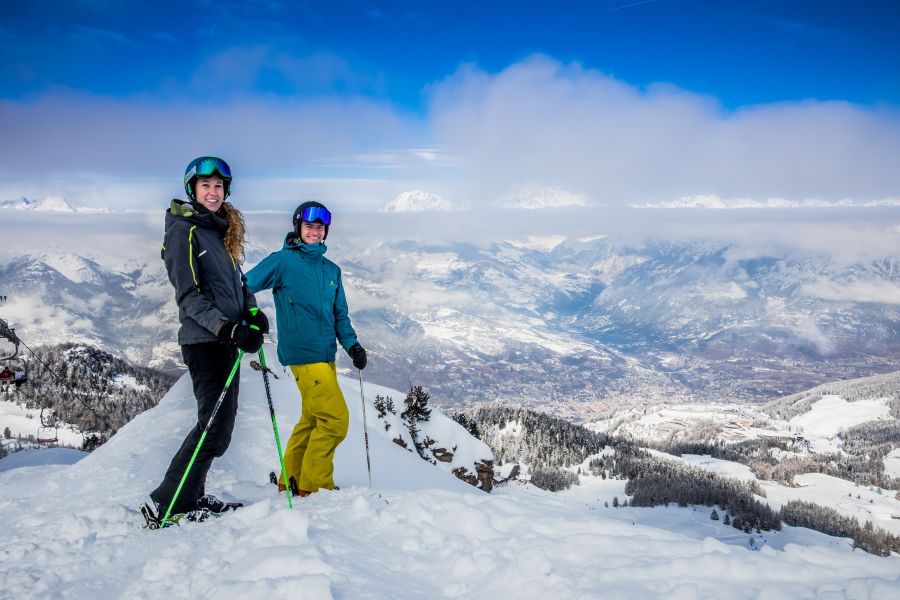
Pila, in Italy's Aosta Valley has opened a new lift this season which its hoped will allow the resort to stay open into May. The new Pila–Couis gondola lift, transforms access to the upper ski area. Replacing two chairlifts, the 10-seater cabins with panoramic windows reach Couis 1 (2,700 m) in 15 minutes, offering a comfortable ride for all visitors. At the top, the Panoramic Bistrot Stella di Pila will provide stunning views over the Cogne and Aosta Valleys, with terraces and floor-to-ceiling windows, serving local specialties in partnership with Skyway Monte Bianco. Thanks to this new lift, Pila's ski season will also be extended with a target closing date of May 3, 2026 (snow conditions permitting). Image Credit: Mazzoli Studio |
|
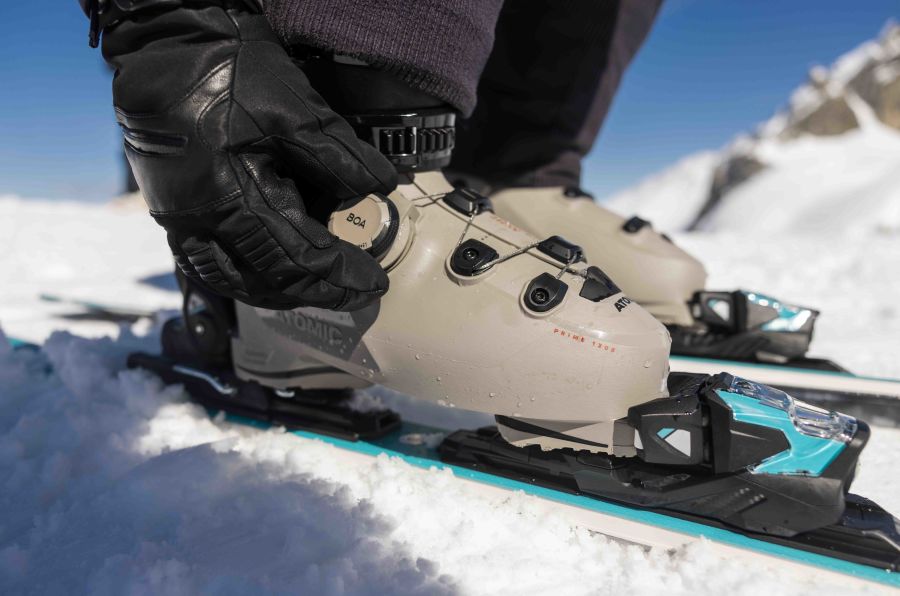
Ski rental giant SKiSET has released new survey findings showing a significant shift in how skiers and snowboarders choose and book their equipment, with 90% saying the rental experience has improved over the past decade. The survey, distributed to more than 140,000 UK skiers and snowboarders, highlights growing expectations around choice, convenience and brand trust. Three‑quarters of respondents said the rental brand matters when selecting equipment, while almost half want a wider range of models available, including the latest releases. Booking behaviour has also evolved. Eighty percent of respondents now reserve their equipment at least three weeks before travelling, and more than 80% book directly online or through a tour operator partner. Convenience continues to drive decision‑making, with 37% citing proximity to accommodation as the top factor when choosing a rental provider. The survey also reflects changing ownership trends. While 36% rent both skis and boots, 40% rent skis only and bring their own boots, mirroring the rise in boot purchases among UK skiers. Unsurprisingly , no respondents reported renting boots only. When asked why they rent rather than buy, 40% pointed to avoiding airline baggage fees. The remaining responses were split evenly between trying new equipment, avoiding storage and maintenance, the cost of buying gear, and the hassle of carrying it through airports.
Image credit: Louis Garnier |
|
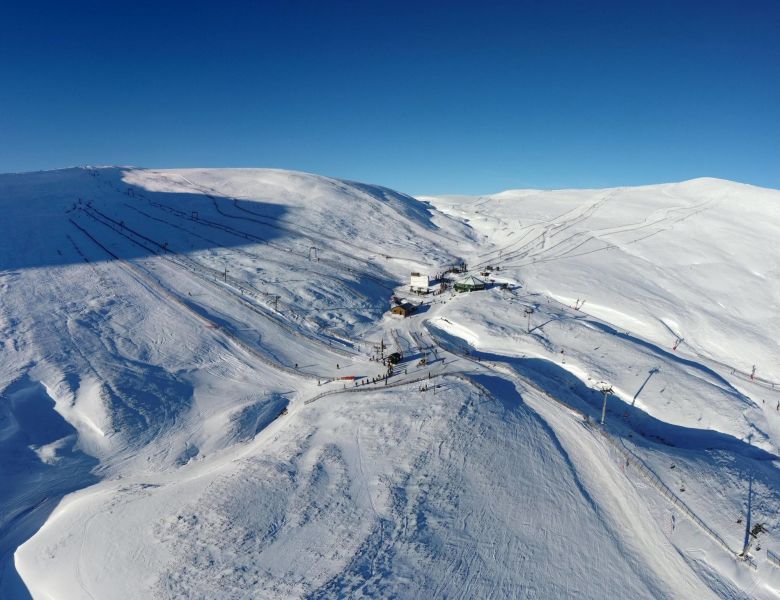
Scottish ski areas are reporting great conditions after an unusually consistently cold and snowy January.
Along with the good snowfall news, the usual Scottish weather factors have caused issues, with the drifting snow blocking access roads at times and gale force winds preventing safe operations of lifts, both leading to ski areas being unable to open or inaccessible. However, once the weather allows, all four of the usually operating centres have been reporting epic conditions and more terrain open than they've had for several years, in most cases. Skiers have responded in numbers, with Glenshee having to turn drivers away from its full car parks soon after 10am on Sunday. Whilst Glencoe, Glenshee, Cairngorm and The Lecht have all-weather snowmaking equipment and are usually able to open some terrain even in warm temperatures, Nevis Range above Fort William does not have a functioning all weather snowmaking system so has been closed for snowsports for several years. However, it too hopes to open for the first time this season, and for several seasons, from Friday, if slope and lift preparations go to plan. Currently the forecast is for continued cold weather going further into February raising hopes that this could turn into one of the best winters of the 21st century for Scottish skiing after very limited opening spells, beyond all-weather snowmachine snow terrain, in recent warm winters. |
|
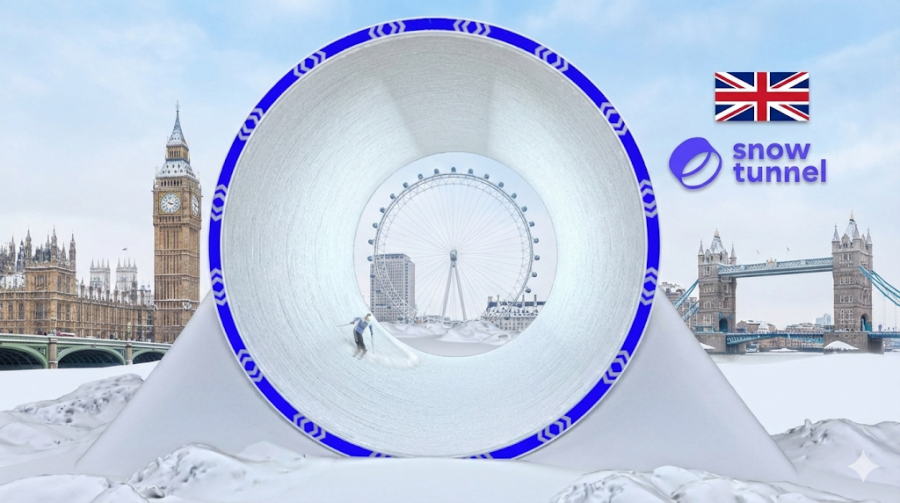
Two snowsports companies are working together to develop Snowtunnel venues across the United Kingdom. The Snowtunnel concept is of an endless ski run with skier and boarders riding within a large rotating tube that constantly moves towards them like a runners treadmill. Snowtunnel Parks say they have signed an exclusive Territory Agreement with Global Shred Ventures (GSV), a company set up with the aim of, "delivering high-value surf and snow destinations that strengthen communities through shared, immersive experiences."
"This partnership marks a defining moment for Snowtunnel and the beginning of our global rollout," said Scott Kessler, CEO and Co-Founder of Snowtunnel. "Together (with GSV) we are creating a completely new category of accessible, urban snow experiences." The team behind GSV has a record in the deployment of Wavegarden technology, most notably the world's first inland surfing lagoon at Surf Snowdonia in Wales.
This expansion forms part of Snowtunnel's broader stated ambition to establish a global platform for indoor snow experiences, spanning destination venues, compact urban formats, and technology installations within existing leisure and sport precincts worldwide. |
|
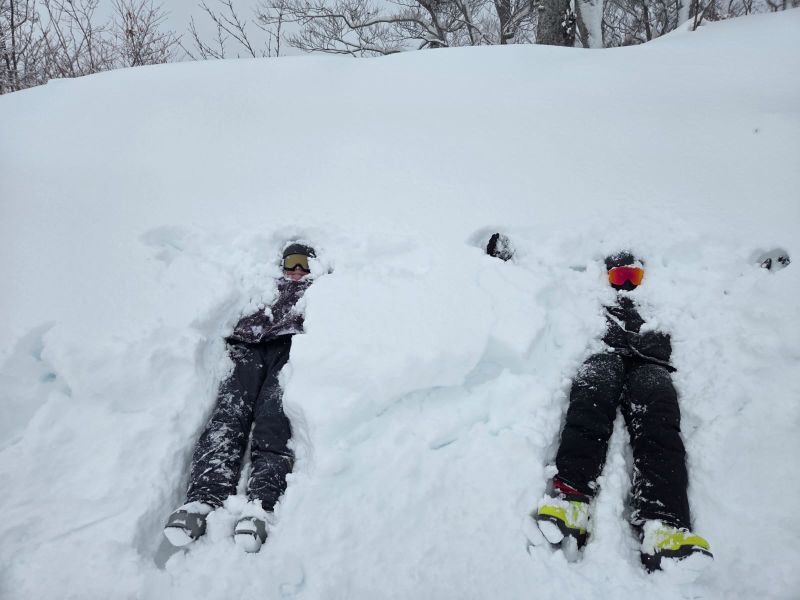
The deepest reported snowpack in the world this winter has hit 6m (nearly 20 feet) for the first time. Seki Onsen, a little Japanese area famous for its huge average annual snowfall total of 16.5m, reached the stat on Saturday, 31st January. With two ski lifts and located near Myoko City in Niigata prefecture, Seki Onsen has been reporting heavy snowfall over the past month, peaking at a metre in 24 hours earlier this week. Japan has been reporting so much snowfall, as well as bitterly cold temperatures, that some skiers have found the off piste terrain too deeply buried to be easily skiable. Although ski areas across the country have been reporting big snowfalls, it's been northern Honshu, the country's main island, which has seen the most January snowfall, overtaking the usually snowier Hokkaido, home to Japan's best known resort Niseko, to the north. It though still has a 3.5m base, one of the deepest stats for a world's leading resort this month this season, and all terrain open. In Europe, Switzerland's Glacier 3000 is claiming the deepest snowpack at 4.8m; in North America its Washington state's Mt Baker, across the Pacific from Seki Onsen, which claims the world record for the most snowfall in a season back in winter 1999/20 at 29m, that's currently on 2.9m. 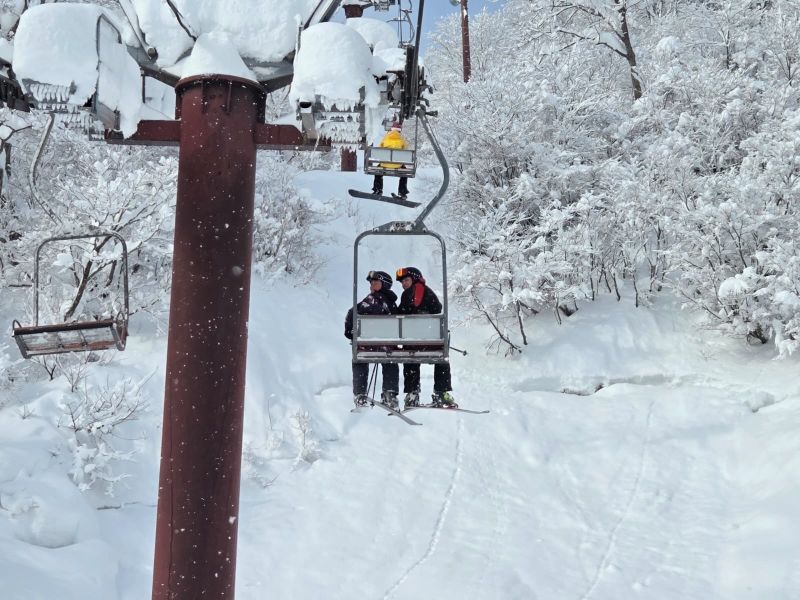 |
|
The decision by Le Massif ski area in Quebec to end its 2026 ski season has sent shockwaves through Canada's tourism industry and added fresh momentum to a growing pattern of labour unrest across North American ski resorts. The mountain, long celebrated for its dramatic views over the St Lawrence River and its 400‑plus acres of terrain, announced the shutdown after negotiations with its unionised workforce collapsed. Staff had already been on strike since early January, and when they rejected both a mediator's proposed settlement and the option of arbitration, management concluded that reopening was no longer possible. With snowmaking deadlines looming and no staff available to operate essential systems, the resort formally halted all winter operations at 4 p.m. on Monday. The decision leaves thousands of guests in limbo, particularly those booked into the high‑profile Club Med Québec Charlevoix, the all‑inclusive resort built as the centrepiece of Le Massif's year‑round tourism strategy which opened a few years ago with much fanfare as Club Med's relaunch in North America. While accommodation providers remain open, visitors now face a winter holiday without the mountain that the entire destination is designed to showcase. Refunds and credits are being issued for lift tickets, sledding and some lodging products, though several categories, such as season passes and snow‑school programmes, remain "under review" as the resort works through the fallout. Le Massif's shutdown is the most dramatic ski‑industry closure of the season, but it is far from an isolated incident. South of the border across the United States, ski workers have become increasingly organised and assertive, pushing for higher wages, better housing support and improved working conditions as property prices and thus rents ion ski resort towns skyrocket. Vail Resorts owned Park City in Utah ended a damaging strike last year when ski patrollers, citing soaring living costs, reached a new contract after months of tense negotiations. In Colorado, Telluride saw its ski patrol walk off the job in late December, forcing a temporary mountain closure until a deal was reached. Jackson Hole has also faced prolonged staff disputes over pay and housing, managing to stay open but highlighting the same structural pressures now visible in Quebec: a workforce struggling with affordability in mountain towns and demanding more sustainable conditions. |
|