

Messages posted by : J2SkiNews
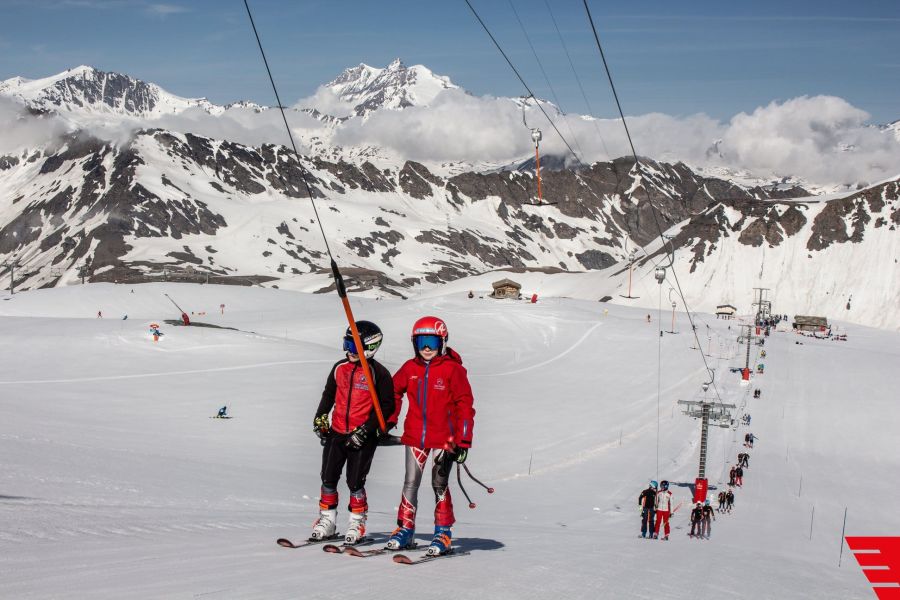
Val d'Isère has opened for a month of summer glacier skiing, its 61st summer ski season although some were missed due to poor conditions. This year it is reported to have 4km of slopes open at present and a healthy 4m base. Val d'Isère opening means France currently has two summer ski areas available, with Les 2 Alpes having operated through May, aiming to continue to July 7th.That equal's the two currently open in Austria (Hintertux and Molltal) and is one less than the three centres (Fonna, Galdhopiggen and Stryn) open in Norway. Molltal is due to end its season next week and a third French glacier area above Tignes is due to open for its short 2024 summer ski season in a fortnight's time. Italy's Passo Stelvio has also opened for its 2024 season after a week's delay due to the access road over the pass needing to be cleared of snow and made safe from avalanche danger. Year round skiing also continues on the glacier above Zermatt in Switzerland, also available from, Cervinia over the border. |
|
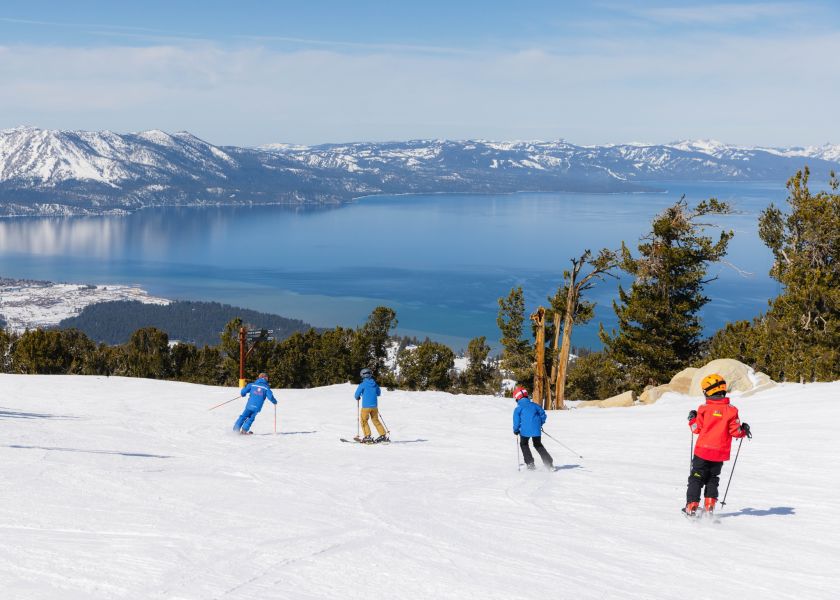
The world's largest ski resort operating company, Vail Resorts, which operates more than 40 ski areas in four countries on three continents, increased sales revenue by 1% despite seeing a 17% drop in skier visits in winter 2023-24. The company credited income from ski school, dining and rental spending held up despite fewer skiers and ticket sales. They also blamed a dip in skier activity after the covid bounce back season as well as poor snow conditions in the early season for declining ticket sales, not cost. Commenting on the results and drop in ticket sales Vail CEO Kirsten Lynch told investors,
Lynch also said revenuer was holding steady as after cutting pass prices by 20% in the 2021 covid winter, they have increased prices 25% in the following three years. She said season pass renewals have held steady, but there have been fewer new season pass holders so far this fiscal year. Vail stock prices dropped nearly 11 points immediately after the results announcement to its lowest level since mid-2020. |
|

The trend of announcing multiple winners of big ski events in future years set by the Winter Olympics with the FIS announcing the next two rather than the usual one future host of the Alpine World Ski Championships. Meeting in Reykjavik the FIS Council voted for Narvik in northern Norway to host the 2029 FIS Alpine World Ski Championships and for Val Gardena to host the event in 2031. Narvik won the 2019 voting with Narvik received 11 votes, ahead of Val Gardena's with eight and Soldeu with one. The choice is unusual, by historical standards, as the small coastal resort within the Arctic Circle is not a regular stop on the World Cup Tour, it did however host a successful Alpine Junior World Ski Championships in 2020 and is known for its reliable snow cover staying open well into May most years. Val Gardena is a much better known name in the world of ski racing with its Saslong World Cup downhill ski course one of the classics on the annual tour, having made its World Cup debut in February 1969. It's also located in some of the most spectacular mountain beauty in the ski world. In voting for the 2031 FIS Alpine World Ski Championships hosts it received 14 votes, beating Soldeu's six votes. Val Gardena previously hosted the biannual competition in 1970. The next Alpine World Ski Championships take place in Saalbach Hinterglemm, Austria, next winter with the 2027 competition in Crans Montana. In addition to the Alpine World Ski Championships host announcements, the Council announced that Tignes, France, will host the FIS Para Alpine World Ski Championships in 2027. |
|
New Zealand's Mt Ruapehu ski area will return to operating as two separately run ski areas – Tūroa and Whakapapa this winter. Previously Mt Ruapehu encompassed both ski areas, run as a 'single' resort although physically separate and claimed to be New Zealand's largest ski area by combining the stats. However, Ruapehu Alpine Lifts, which had been running ski lifts for seven decades, ran into financial difficulties through the pandemic and declared bankruptcy in 2022. The two centres only opened with government cash injections announced days before the 2023 season was due to begin last winter. Government handouts have now reached $20m NZD. This year two separate operators will be chosen to run each area, with separate lift passes. Pure Tūroa Limited has won a 10-year concession to operate the ski field near Ohakune on the country's North Island.
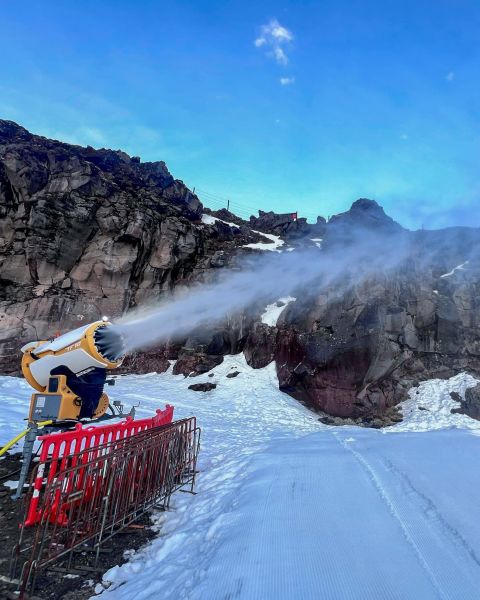
However, a new operator has not yet been found for Whakapapa, which is currently being run by Calibre Partners, a receiver company. They opened Whakapapa's Happy Valley area last Saturday, the first in New Zealand for 2024, with a very small amount of skiing, before promptly closing as temperatures rose and rain arrived on Sunday. They're snowmaking there again now though (pictured top). Pure Tūroa have caused some local controversy by saying some parts of the area won't open, or at least some lifts won't run this winter as they seek to get an accurate idea of revenue/expenditure to plan moving forward as a financially viable venture. Other than the small Happy Valley area, Tūroa and Whakapapa typically start their seasons later than most southern hemisphere ski area, at the end of June or early July, however they frequently post the south's deepest snow and are usually last to close each winter south of the equator, in late October or sometimes 'Snowvember'. |
|

Canada's ski season only ended last Monday at Banff's Sunshine Village ski area, but the Albertan ski area that boasts the country's longest ski season had already started work on its new lift project for the start of winter 24-25 – just over five months away, a week beforehand. Sunshine's new Super Angel Express chairlift, replaces the nearly four decades old Angel Express which made its final ascent on May 12th. Since 1988 Angel Express has been flying skiers and Snowboarders up a vertical rise of 1,244 ft. in just over five minutes. Once dubbed Angel Flight Express, the high-speed lift made Sunshine history as it was the first high speed quad in the Canadian Rockies.
As a resort, Angel Express transformed how Banff Sunshine was skied. The lift created longer ski runs for guests to enjoy, and transported people up the mountain faster than they could ski down. The new state of the art six passenger high speed express lift replacing it will have heated bucket seats, foot rests, and a yellow bubble. Construction began on May 13th with snow still falling with the new lift expected to open near the start of the 24-25 season in November. The original Angel Express is being disassembled and moved to Castle Mountain Resort in southern Alberta where it will enjoy a new lease of life. |
|
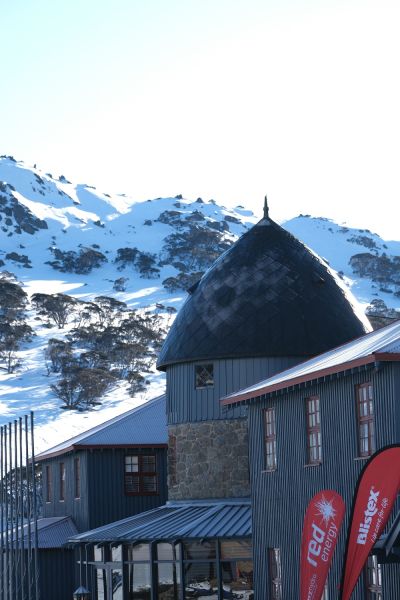
A fire at the sewage processing plant at Australia's highest ski area, Charlotte Pass near Perisher in New South Wales, has had to delay its planned season start in three weeks' time.
Options considered included trucking out wastewater, restoring parts of the plant that were not affected by the fire or bringing in a temporary sewage treatment plant for the season. However, the centre's management says all three options each come with issues that may make them non-viable.
Charlotte Pass, which is also Australia's oldest and frequently snowiest ski area and only accessible over snow on special resort vehicles from Perisher in the winter season, is owned by the Blyton Group which also owns Australia's Selwyn ski resort which was destroyed by bush fires in early 2020, re-opening two years later. |
|
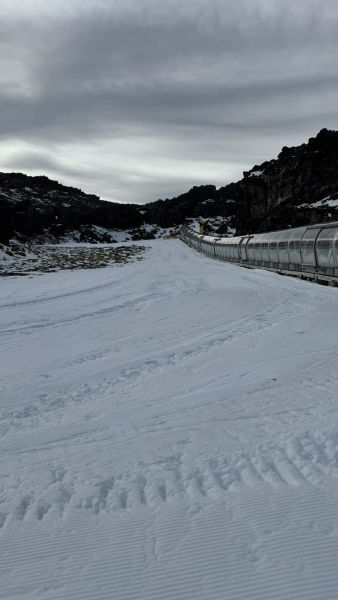
New Zealand's Whakapapa ski area has opened a small area of snow in its Happy Valley area, which is served by a conveyor lift, the first lift-accessed skiing in the country this year.
It's a similar limited picture in Southern Africa where Lesotho's Afriski resort has pronounced that the ski season has begun. However, with warm weather over the past few weeks, the reality does not yet seem to match the exiting images of skiers and boarders on their social media posts., Instead there are unlinked piles of machine made snow so far. However, the first real snow of the winters and much lower temperatures for consistent snowmaking are forecast for the next few days. Meanwhile Australia's ski areas have had a dusting of snow. The season there is set to start in a week's time. Things are looking much more promising in South America where most ski areas in Chile have opened for the season already after metres of May snowfall, several weeks early. South America's largest by uplift, Catedral near Bariloche, will open next weekend. |
|
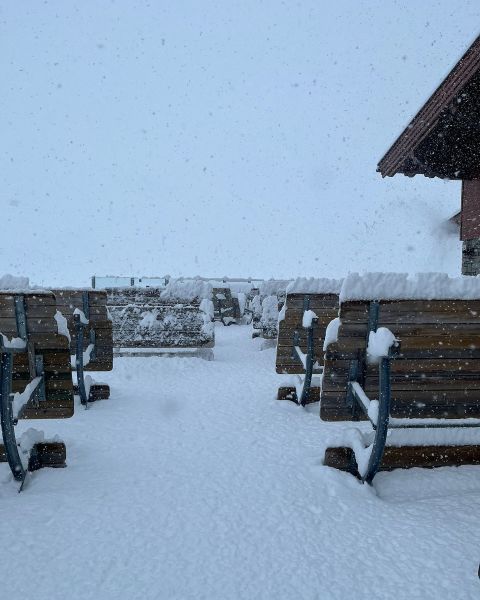
Austria's year=round glacier ski destination of Hintertux has issued a powder alarm after passing 20cm (8 inches) of snowfall in the last 24 hours. The ski area, one of five glaciers currently open for skiing and snowboarding in the Alps, said the snow was still falling heavily this lunchtime, with tomorrow, June 1st, the first day of summertime by the meteorological measure of the seasons. The latest snowfall continues a pattern since mid-March of predominantly cold weather and snow showers above around 2,500m altitude which has left the snow lying nearly 6m (20 feet) deep on some Alpine glaciers. Austria's Kitzsteinhorn and Molltal glaciers remain open to mid-June, France's Les 2 Alpes should be staying open through next month and two other glaciers at Val d'Isere and Tignes are scheduled to open towards the end of next month for summer skiing. You can also ski above Zermnatt/Cervinia at the Matterhorn Glacier Paradise and Italy's Passo Stelvio is expected to open for its 2024 summer ski season next Thursday after delaying a planned season start tomorrow as snow still needs to be cleared from access areas and slopes prepared and made safe. Three small glacier areas are also open in Norway. 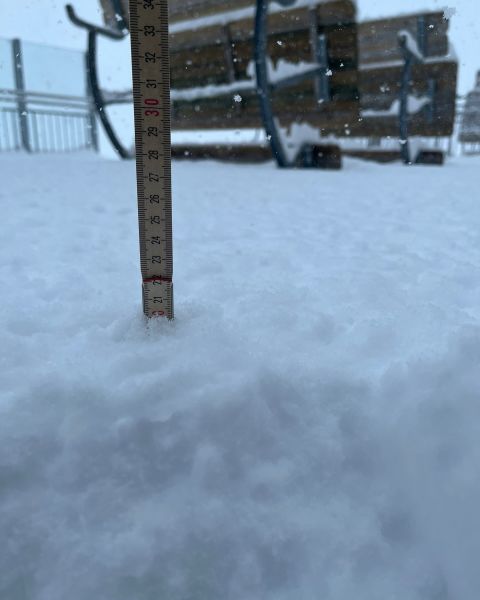 |
|